

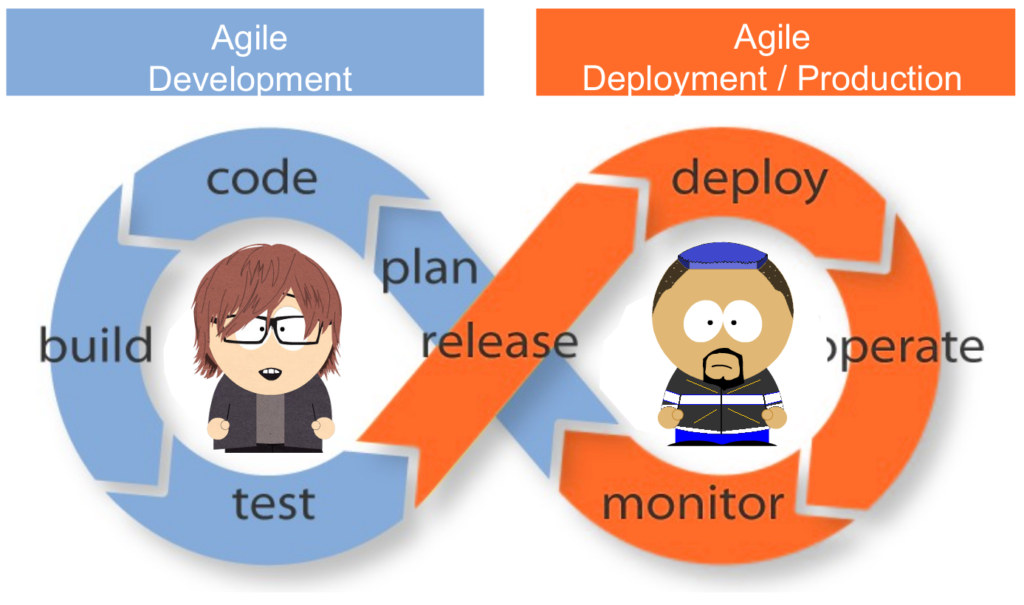
The story of modern IT operations starts with DevOps, a movement designed to bridge the gap between software development and IT operations. By merging these traditionally separate teams, DevOps promoted shared responsibility for building, deploying, and maintaining applications. Its practices—continuous integration, continuous delivery, and strong feedback loops—helped usher in the cloud-native era and set the stage for faster, more reliable software delivery.
As DevOps gained traction, new “ops” labels began to emerge, each promising a specialized focus: SecOps for security, GitOps for infrastructure-as-code workflows, CloudOps for cloud management, AIops for automated AI-driven operations, and more. The proliferation of terms can feel overwhelming, sometimes giving the impression that it’s more of a marketing arms race than a reflection of genuinely distinct practices.
Despite the growing list, these terms largely share the same underlying philosophy: combining automation, collaboration, and continuous improvement across IT and software development functions. Each “ops” approach addresses a particular domain or challenge but builds on the DevOps foundation, adding specialized tools, metrics, and processes to improve efficiency and reliability in that area.
Understanding the ecosystem is crucial for organizations deciding where to invest their operational efforts. Rather than seeing each “ops” term as a completely separate methodology, it’s more helpful to view them as complementary layers that collectively support modern IT practices. By focusing on the principles of automation, collaboration, and feedback, teams can adopt the right combination of DevOps, SecOps, GitOps, and CloudOps to suit their business needs.