

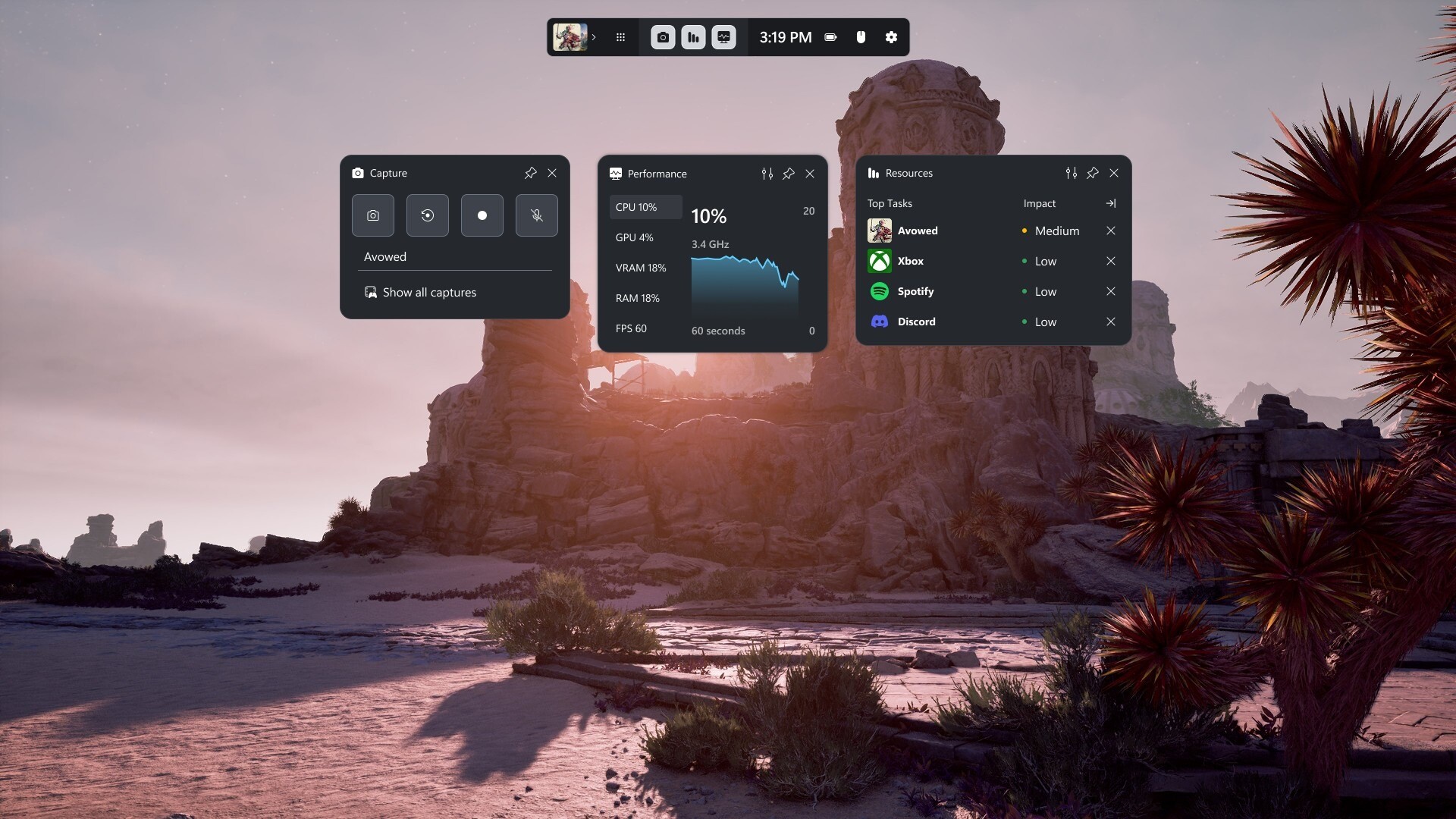
In a bold move that underscores its ambition to make AI a fundamental part of the Windows experience, Microsoft is introducing Gaming Copilot (Beta), a new experimental feature for gamers using the Windows Game Bar. This latest extension of the Copilot ecosystem is designed to offer real-time gaming assistance through AI-powered insights, voice interactions, and visual recognition. Initially rolling out to Xbox Insiders on PC in the U.S., the feature targets users aged 18 and up, though Microsoft hasn’t provided details on why this age gate is in place. Once enabled, Gaming Copilot can detect which game you’re playing and respond to natural voice commands via a dedicated microphone widget. Additionally, players can snap a screenshot of their gameplay and have the AI analyze it to generate useful in-game tips or explanations. This could help players understand game mechanics, strategize better for boss fights, or even learn how to execute advanced combat techniques — all without tabbing out to a browser or consulting a walkthrough video.
Despite the promising concept, there’s some skepticism about how practical or accurate Gaming Copilot will be in fast-paced gaming environments. Microsoft already offers a broader AI feature called Copilot Vision, which allows the assistant to interpret what’s on your screen to help with general tasks. However, early experiences with Copilot Vision were mixed at best, with performance faltering during even basic games like Solitaire, let alone more visually dynamic or timing-critical titles. If Gaming Copilot is to succeed, it will need to address those limitations and prove that AI can keep up with the real-time demands of modern gameplay. Still, this move is part of a clear and growing pattern. Microsoft has steadily pushed Copilot into virtually every corner of its ecosystem — not just in operating system features and the Edge browser, but also deeply into productivity software and enterprise tools. With Gaming Copilot now in early testing, it’s clear that Microsoft envisions a future where AI not only boosts productivity but also plays an integral role in how users interact with entertainment and leisure on their PCs. Whether that vision resonates with gamers — a group typically skeptical of intrusive overlays — remains to be seen.