

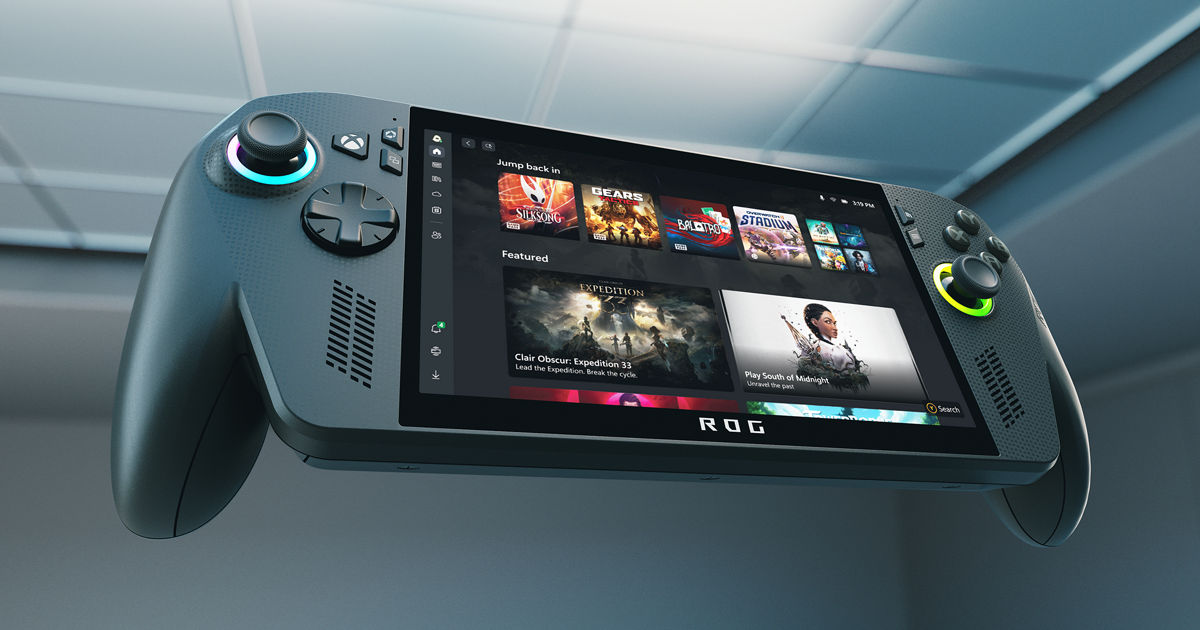
Microsoft’s Handheld Compatibility Program is the company’s most significant step yet toward legitimizing Windows handheld gaming, a market previously defined by scattered hardware and uncertain performance. Handheld gaming PCs like the ROG Xbox Ally have proven that portable PC gaming is viable, but they still rely on integrated graphics—chips never meant to handle demanding AAA workloads. This inherent limitation means not every PC game performs equally well on these compact systems. To address that, Microsoft’s new program categorizes games by their playability on handheld hardware, mirroring Valve’s Steam Deck Verified system. The four classification tiers—Handheld Optimized, Mostly Compatible, Unsupported, and Not Tested—are designed to simplify the user experience. Early testing data suggests that roughly 85% of tested games fall into the first two categories, providing reassurance that most mainstream titles should run smoothly or with only minimal tweaks.
Still, the launch of the program reveals how early Microsoft is in building a cohesive handheld ecosystem. While the ROG Xbox Ally serves as the lead example of a certified Windows handheld, its integration into the broader Xbox platform remains incomplete. Unlike Steam’s integrated verification badges that appear on every game page, Microsoft’s compatibility listings live on a separate, somewhat clunky webpage. There’s no native search bar for quick lookups, and only “Handheld Optimized” games display properly when filtered, leaving categories like “Mostly Compatible” and “Unsupported” effectively invisible for now. That’s a stark contrast to Steam’s system, where all verification statuses are easily accessible from a single interface. These usability gaps show that Microsoft’s program is still in its infancy, even if the intent behind it is clear and necessary.
The hardware question adds further complexity. For now, the compatibility list specifically mentions the ROG Xbox Ally and its upgraded Ally X variant as reference points. But other devices—like the Lenovo Legion Go and upcoming Windows handhelds from smaller manufacturers—will soon join the ecosystem. Differences in chipsets, like AMD’s Ryzen Z1 versus the Z1 Extreme, could mean that a game labeled “optimized” for one handheld may not perform the same on another. Valve avoids this problem because every Steam Deck model uses similar hardware, allowing a unified compatibility framework. Microsoft, by contrast, will need to design a system that accounts for varying specs without overwhelming users with technical jargon.
Even so, this initiative signals that Microsoft recognizes the momentum behind portable PC gaming. With handhelds growing more powerful and Xbox Game Pass expanding across multiple form factors, ensuring clear compatibility data is crucial for consumer confidence. If Microsoft can refine the presentation, unify it with the Xbox Store, and broaden support beyond the ROG Ally family, the Handheld Compatibility Program could become a cornerstone of the Windows gaming experience—one that finally helps handheld PCs compete with the polished simplicity of Valve’s Steam Deck.