

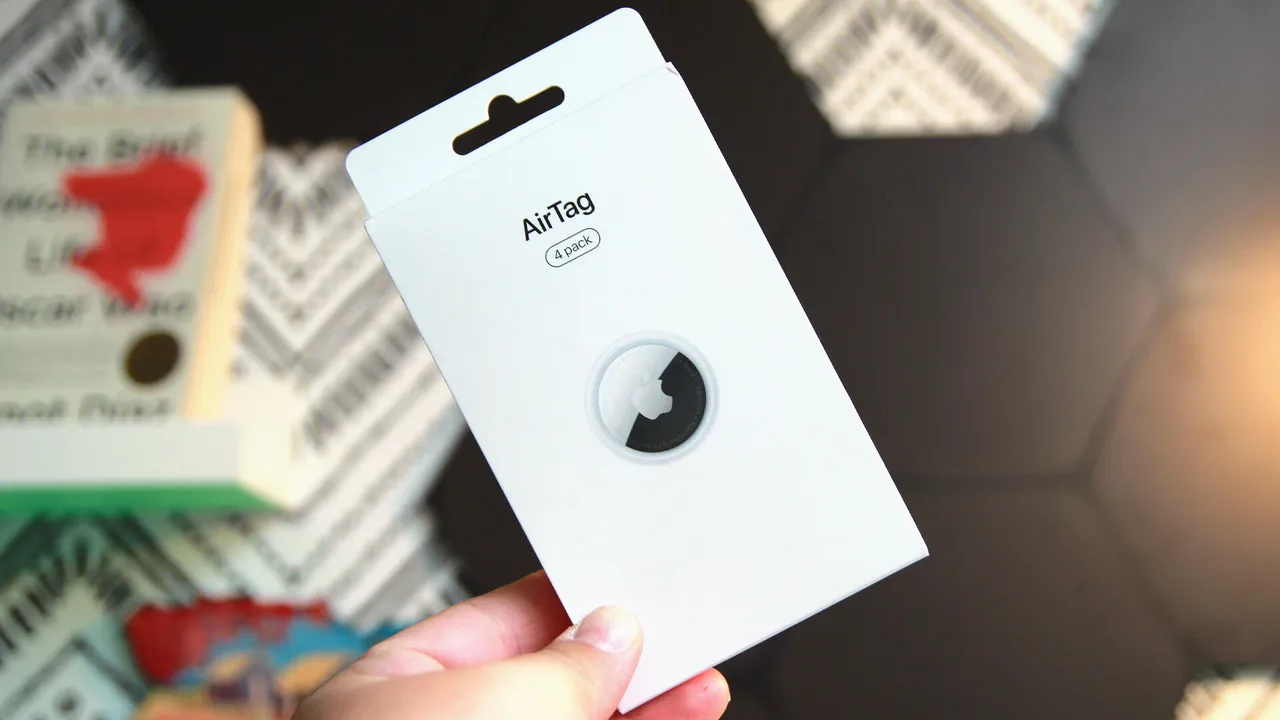
Apple recently introduced an updated version of its smallest tracking device, the AirTag, marking the first major refresh since the product originally launched. The second-generation model brings several improvements designed to modernize its performance and keep it competitive in the growing tracker market.
Since its debut in 2021, the original AirTag has been widely used as a simple and effective way to keep track of personal belongings. From luggage during travel to everyday items like keys, wallets, backpacks, and even remote controls, users have relied on it to reduce the frustration of misplaced possessions.
The newer AirTag model includes notable upgrades, such as a louder built-in speaker to make locating items easier and an improved tracking range. It also incorporates the same Ultra Wideband technology found in Apple’s latest devices, allowing for more precise location tracking when used with compatible iPhones and Apple Watch models.
Despite these enhancements, the original AirTag remains a strong and practical choice for most everyday users. For those primarily tracking items within a home, office, or nearby environment, the first-generation model is more than sufficient. The extended range and advanced features of the newer version are mainly beneficial for long-distance or travel scenarios, making the original AirTag still a cost-effective and reliable option for basic tracking needs.