


Close Menu
Şevket Ayaksız
    What's Hot

    AI watermarks could improve transparency but won’t stop AI slop

    Eylül 13, 2026

    LG’s 4K OLED gaming monitor gets a $600 discount

    Eylül 13, 2026

    Keychron’s 100-key macropad offers 8,000Hz polling for $65

    Eylül 13, 2026
    • software
    • Gadgets
    Şevket AyaksızŞevket Ayaksız
    • Home
    • Technology

      Apple: iPhone 17 and Older Models Hit With Unexpected $100 Price Increase

      Eylül 10, 2026

      Apple Watch Intelligence Could Be a Major Accessibility Breakthrough

      Eylül 10, 2026

      Apple May Skip the Base iPhone 18 This Year

      Eylül 10, 2026

      FCC changes robot vacuum rules, potentially affecting future models

      Ağustos 8, 2026

      Samsung’s new 2TB 990 SSD drops to its lowest price yet

      Ağustos 6, 2026
    • Adobe

      Adobe brings four key creative apps to Windows on Arm beta

      Ağustos 1, 2025

      Skip the Legal Jargon—Adobe Acrobat’s AI Reads Contracts for You

      Şubat 5, 2025

      Save 50% on a Top-Rated Adobe Alternative This Black Friday

      Kasım 30, 2024

      Save 50% on Adobe’s Creative Cloud This Black Friday

      Kasım 25, 2024

      Adobe Brings Generative AI to Premiere Pro for Smarter Video Editing

      Ekim 24, 2024
    • Microsoft

      Microsoft quietly removes Windows 11’s 32GB RAM recommendation

      Ağustos 6, 2026

      Microsoft aims to improve Windows 11 performance on 8GB PCs

      Ağustos 2, 2026

      Microsoft PowerToys remains an essential Windows utility

      Temmuz 31, 2026

      Microsoft says Windows Secure Boot certificate rollout is still in progress

      Temmuz 30, 2026

      Microsoft tests Windows Update changes after major outage

      Temmuz 29, 2026
    • java

      Optimizing Java Streams for High-Performance Applications

      Aralık 20, 2025

      AI Brings a New Spark to JavaScript Programming

      Kasım 9, 2025

      Revisiting the Spring Framework: What’s New and Why It Still Matters

      Kasım 9, 2025

      Top Highlights and Features to Watch in Java 25

      Kasım 3, 2025

      Mastering Java Cold Starts: Achieving High-Performance Serverless with GraalVM and Spring

      Kasım 3, 2025
    • Oracle

      JavaScript Community Pushes Back Against Oracle’s Trademark Claim

      Şubat 8, 2025

      Understanding the Impact of the Google vs. Oracle Decision

      Aralık 25, 2024

      Google Wins Legal Battle Over Java, Oracle Continues to Resist

      Aralık 25, 2024

      Oracle Unveils Verrazzano: A New Container Platform for Kubernetes

      Aralık 12, 2024

      Oracle vs. Google: Implications of the Verdict on Open Source Software

      Aralık 8, 2024
    Şevket Ayaksız
    Anasayfa » Decoding Face Recognition Technology: Navigating the Landscape and Safeguarding Privacy
    Tech

    Decoding Face Recognition Technology: Navigating the Landscape and Safeguarding Privacy

    By ayaksızOcak 31, 2024Yorum yapılmamış3 Mins Read
    Facebook Twitter Pinterest LinkedIn Tumblr Email
    Share
    Facebook Twitter LinkedIn Pinterest Email

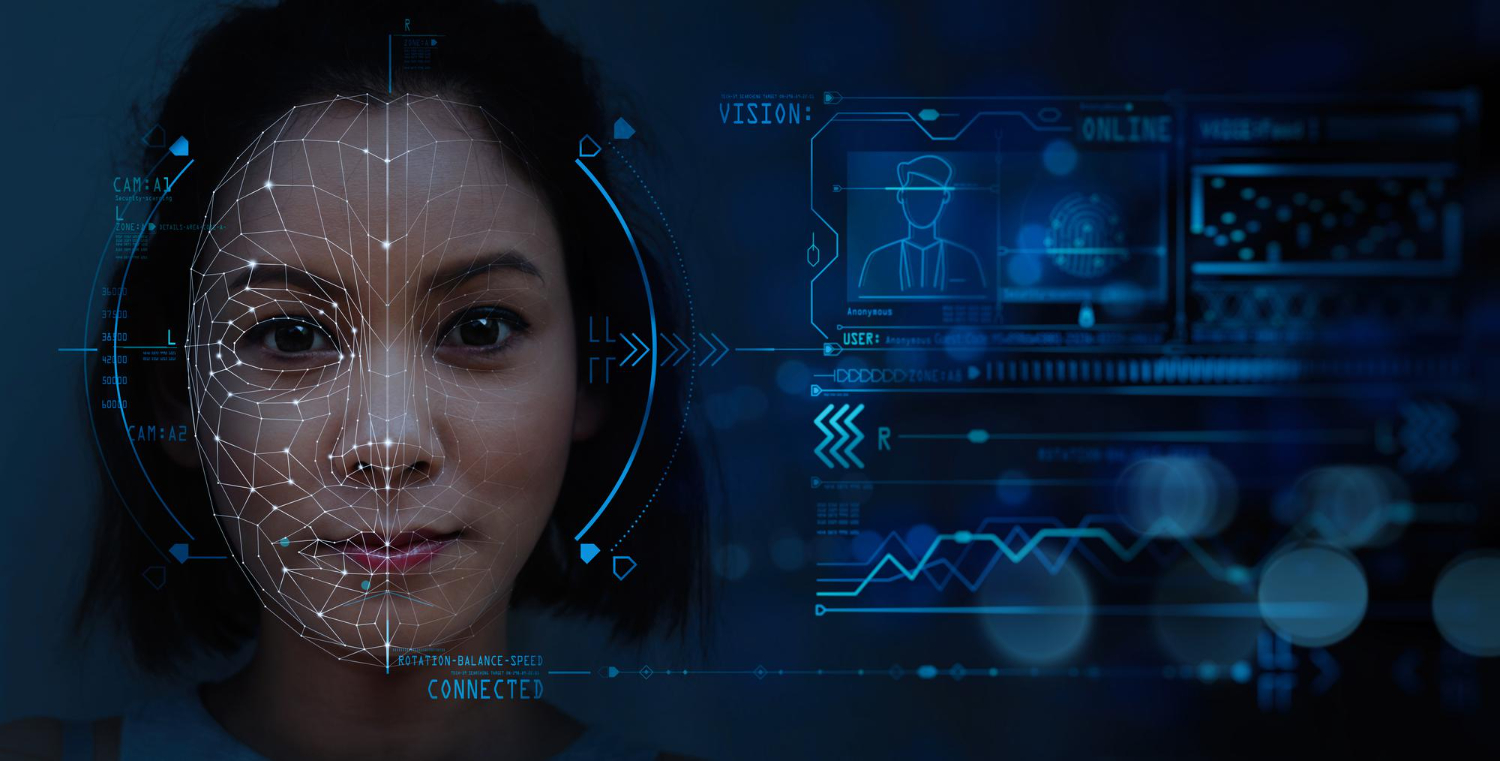
    Face recognition technology, hailed for its applications in crime prevention, airport security, and workplace efficiency, stands at the forefront of video surveillance advancements. As cloud computing and AI propel its growth, concerns about privacy have prompted calls for regulation. Navigating this complex landscape requires a nuanced understanding of the three primary types of face recognition technology and the importance of opt-in measures.

    The first step in addressing privacy concerns is demystifying the terminology surrounding face recognition technology. The three main types—face extraction, face matching, and face recognition—serve distinct purposes. Face extraction identifies the presence of a face without linking it to personal information. Face matching searches for similar faces without connecting to personal data, resembling matching based on clothing or walking gait. Face recognition, however, associates facial images with personal information, making it vital to establish opt-in requirements for commercial use cases.

    Organizations must be transparent about their usage of face recognition technology, prioritize privacy protection, and implement opt-in measures. Understanding the distinctions between the types of face technology is crucial for effective communication about their applications and limitations.

    Businesses utilizing face extraction can enhance security and review video footage efficiently. Face matching proves valuable for law enforcement and entities like banks, aiding in identifying individuals without knowledge of their identity. Face recognition, commonly used for access control, demands opt-in permissions to respect individual privacy.

    Opt-in measures become especially pertinent in commercial scenarios. Employees or residents should willingly provide permission for the utilization of their facial images. Revocation of permission and automatic deletion from the system upon departure are essential safeguards.

    Retailers can encourage opt-in through loyalty programs, ensuring that customers willingly participate in face recognition initiatives. However, respecting individual choices is crucial, as using face recognition without opt-in consent violates privacy boundaries.

    Determining the appropriateness of face recognition usage varies between government and commercial applications. While public safety concerns may justify certain uses in government settings, ethical considerations demand careful regulation to prevent misuse and privacy infringements.

    Calls for regulation have gained momentum globally, with legislative bodies proposing comprehensive frameworks. The EU AI Act and the Facial Recognition and Biometric Technology Moratorium Act in the U.S. exemplify these efforts. The Security Industry Association’s principles for responsible facial recognition use provide a guiding framework, emphasizing transparency, accuracy, nondiscrimination, and privacy safeguards.

    As the landscape evolves, the responsible and ethical use of face recognition technology remains pivotal. Striking a balance between technological advancements and privacy protection is a collective endeavor, with regulatory measures expected to play a crucial role in shaping the future of this transformative technology.

    Post Views: 382
    AI Face recognition tech
    Share. Facebook Twitter Pinterest LinkedIn Tumblr Email
    ayaksız
    • Website

    Related Posts

    Apple: iPhone 17 and Older Models Hit With Unexpected $100 Price Increase

    Eylül 10, 2026

    Apple Watch Intelligence Could Be a Major Accessibility Breakthrough

    Eylül 10, 2026

    Apple May Skip the Base iPhone 18 This Year

    Eylül 10, 2026
    Add A Comment

    Comments are closed.

    Editors Picks
    8.5

    Apple Planning Big Mac Redesign and Half-Sized Old Mac

    Ocak 5, 2021

    Autonomous Driving Startup Attracts Chinese Investor

    Ocak 5, 2021

    Onboard Cameras Allow Disabled Quadcopters to Fly

    Ocak 5, 2021
    Top Reviews
    9.1

    Review: T-Mobile Winning 5G Race Around the World

    By sevketayaksiz
    8.9

    Samsung Galaxy S21 Ultra Review: the New King of Android Phones

    By sevketayaksiz
    8.9

    Xiaomi Mi 10: New Variant with Snapdragon 870 Review

    By sevketayaksiz
    Advertisement
    Demo
    Şevket Ayaksız
    Instagram
    • Home
    • Adobe
    • microsoft
    • java
    • Oracle
    • Contact
    © 2026 Theme Designed by Şevket Ayaksız.

    Type above and press Enter to search. Press Esc to cancel.