

Exploring Lightweight Java Frameworks for Agile, Cloud-Native Development
As Java enters its third decade, its robust virtual machine and extensive library ecosystem have cemented its place in diverse environments, from embedded systems to expansive server farms. The language’s versatility has traditionally made it a strong choice for server-side applications, enabling the creation of resilient and scalable web applications. However, as server demands evolved, particularly with the rise of Node.js and JavaScript, Java’s server-side tools faced new challenges.
Java has long been a staple for building server-side applications, with frameworks like J2EE, Hibernate, Spring, and Java servlets providing solid foundations for enterprise-level solutions. These tools were instrumental in managing business logic and handling user interactions effectively. Despite their strengths, the introduction of Node.js brought a shift in focus, as developers sought the benefits of running the same codebase on both server and client sides. Node.js’s reactive model, which manages high throughput with fewer resources, offered a compelling alternative to Java’s traditional thread-per-request model.
The advent of Node.js prompted the Java ecosystem to adapt. Tools like Google Web Toolkit emerged to bridge Java with JavaScript, while efforts to enhance Java’s server performance gained momentum. Early Java server frameworks, which used separate threads for each request, struggled with overhead that limited scalability. In contrast, Node.js’s single-threaded, non-blocking model allowed it to handle more concurrent users efficiently, influencing Java developers to explore similar strategies.

In response, modern Java developers have embraced cloud-native frameworks designed to align with contemporary deployment practices. These frameworks draw inspiration from Node.js’s lightweight approach, focusing on minimal overhead and rapid scalability. They support microservices architectures, where services can be independently deployed, restarted, and managed. These cloud-native frameworks are optimized for containerization with tools like Docker or Podman, allowing for quick builds and streamlined installations.
The evolution of Java frameworks towards cloud-native capabilities reflects a broader trend of adapting legacy technologies to modern demands. Today, developers have access to several innovative Java frameworks designed specifically for cloud environments. These frameworks leverage Java’s rich ecosystem while offering the agility and efficiency required for cloud-native applications.
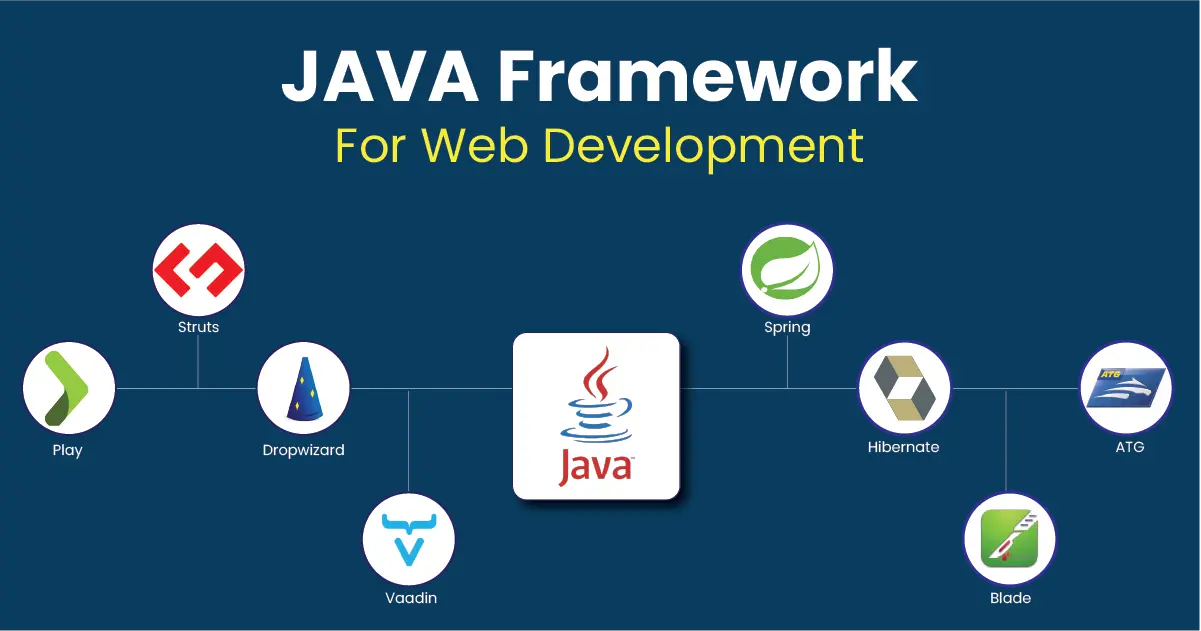
Here are eight Java frameworks that exemplify this shift, combining the reliability of Java with the flexibility needed for contemporary cloud-based development. These frameworks are engineered to support rapid deployment, efficient resource management, and scalable microservices, making them ideal for developers looking to harness the power of Java in a cloud-native world.