

Close Menu
Şevket Ayaksız

    Subscribe to Updates

    Get the latest creative news from FooBar about art, design and business.

    What's Hot

    Chainguard launches Athena, an AI-powered initiative designed

    Haziran 16, 2026

    Sony WH-1000XM6 vs. Sennheiser Momentum 5: The headphones

    Haziran 16, 2026

    Fast chargers with flagship iPhone, Samsung, and OnePlus phones

    Haziran 16, 2026
    Facebook X (Twitter) Instagram
    • software
    • Gadgets
    Facebook X (Twitter) Instagram
    Şevket AyaksızŞevket Ayaksız
    Subscribe
    • Home
    • Technology

      Fast chargers with flagship iPhone, Samsung, and OnePlus phones

      Haziran 16, 2026

      7 budget-friendly upgrades that made my TV sound dramatically better

      Haziran 16, 2026

      Valve targets a summer launch for Steam Machine but keeps pricing secret

      Haziran 7, 2026

      Intel and Phison aim to overcome local AI’s memory bottleneck

      Haziran 2, 2026

      Nvidia RTX Spark could transform the next generation of gaming handhelds

      Haziran 2, 2026
    • Adobe
    • Microsoft
    • java
    • Oracle
    Şevket Ayaksız
    Anasayfa » Creating Simpler Web APIs in .NET Using Sisk
    software

    Creating Simpler Web APIs in .NET Using Sisk

    By mustafa efeMart 25, 2025Yorum yapılmamış3 Mins Read
    Facebook Twitter Pinterest LinkedIn Tumblr Email
    Share
    Facebook Twitter LinkedIn Pinterest Email

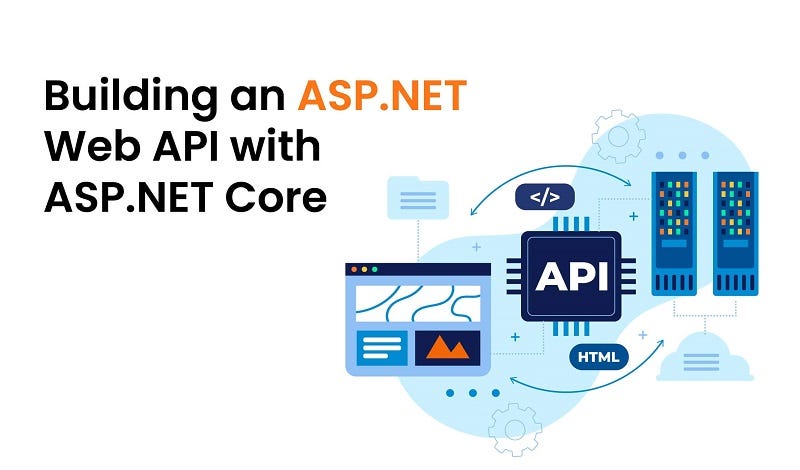
    Microsoft’s decision to open up .NET has transformed the ecosystem, allowing a diverse range of projects and frameworks to thrive under the governance of the .NET Foundation. What was once a largely Microsoft-centric environment is now a broad, multi-faceted landscape, with various projects tackling common challenges from different angles. This shift has been particularly notable in the area of web development, where there are many alternatives to the dominant Microsoft-backed ASP.NET Core, a framework that, while powerful, can be overly complex for simpler use cases.

    ASP.NET Core has long been the go-to solution for a wide variety of web development scenarios, offering an all-in-one framework that supports everything from APIs to real-time communication. However, it can be seen as a heavyweight tool, especially for developers who need something more streamlined and less resource-intensive. In many cases, developers need a solution that allows them to rapidly prototype applications without sacrificing the ability to scale or maintain the project over time. This is where lightweight frameworks like Sisk come into play, offering a simpler approach to web development by building on established concepts from platforms like Ruby on Rails or Node.js Express.

    Sisk is an open-source framework that focuses on simplifying the creation of front-end applications, particularly for cloud environments. What sets it apart is its flexibility and agnosticism, allowing developers to choose their preferred design patterns without being tied to a specific architectural approach. This stands in contrast to many opinionated tools that push particular practices and structures. With Sisk, developers can start with minimal code and quickly get a project off the ground, gradually adding complexity as the application evolves. This makes it an ideal choice for building minimum viable products (MVPs) and iterating on them until they’re ready for production.

    Having recently reached its stable 1.0 release, Sisk is now a viable alternative to other .NET frameworks for web development. While it’s easy to think of Sisk as a tool primarily for building user interfaces, its true strength lies in its ability to deliver robust, RESTful APIs for applications and services. Built on .NET’s HttpListener and leveraging the power of .NET 6, Sisk supports modern web communication protocols such as REST, gRPC, and GraphQL, making it a versatile and lightweight option for developers looking to build scalable APIs without the overhead of larger frameworks. This focus on simplicity and flexibility positions Sisk as an appealing choice for developers seeking an alternative to more traditional, heavyweight frameworks in the .NET ecosystem.

    Post Views: 242
    java Programming Languages Software Development
    Share. Facebook Twitter Pinterest LinkedIn Tumblr Email
    mustafa efe
    • Website

    Related Posts

    Chainguard launches Athena, an AI-powered initiative designed

    Haziran 16, 2026

    3 unofficial Android Auto apps that transformed my car’s infotainment screen

    Haziran 16, 2026

    ChatGPT’s new “Dreaming” feature boosts memory and personalization

    Haziran 7, 2026
    Add A Comment

    Comments are closed.

    Editors Picks
    8.5

    Apple Planning Big Mac Redesign and Half-Sized Old Mac

    Ocak 5, 2021

    Autonomous Driving Startup Attracts Chinese Investor

    Ocak 5, 2021

    Onboard Cameras Allow Disabled Quadcopters to Fly

    Ocak 5, 2021
    Top Reviews
    9.1

    Review: T-Mobile Winning 5G Race Around the World

    By sevketayaksiz
    8.9

    Samsung Galaxy S21 Ultra Review: the New King of Android Phones

    By sevketayaksiz
    8.9

    Xiaomi Mi 10: New Variant with Snapdragon 870 Review

    By sevketayaksiz
    Advertisement
    Demo
    Şevket Ayaksız
    Facebook X (Twitter) Instagram YouTube
    • Home
    • Adobe
    • microsoft
    • java
    • Oracle
    • Contact
    © 2026 Theme Designed by Şevket Ayaksız.

    Type above and press Enter to search. Press Esc to cancel.