


Key Principles for Creating Safe and Effective Agentic AI in the Cloud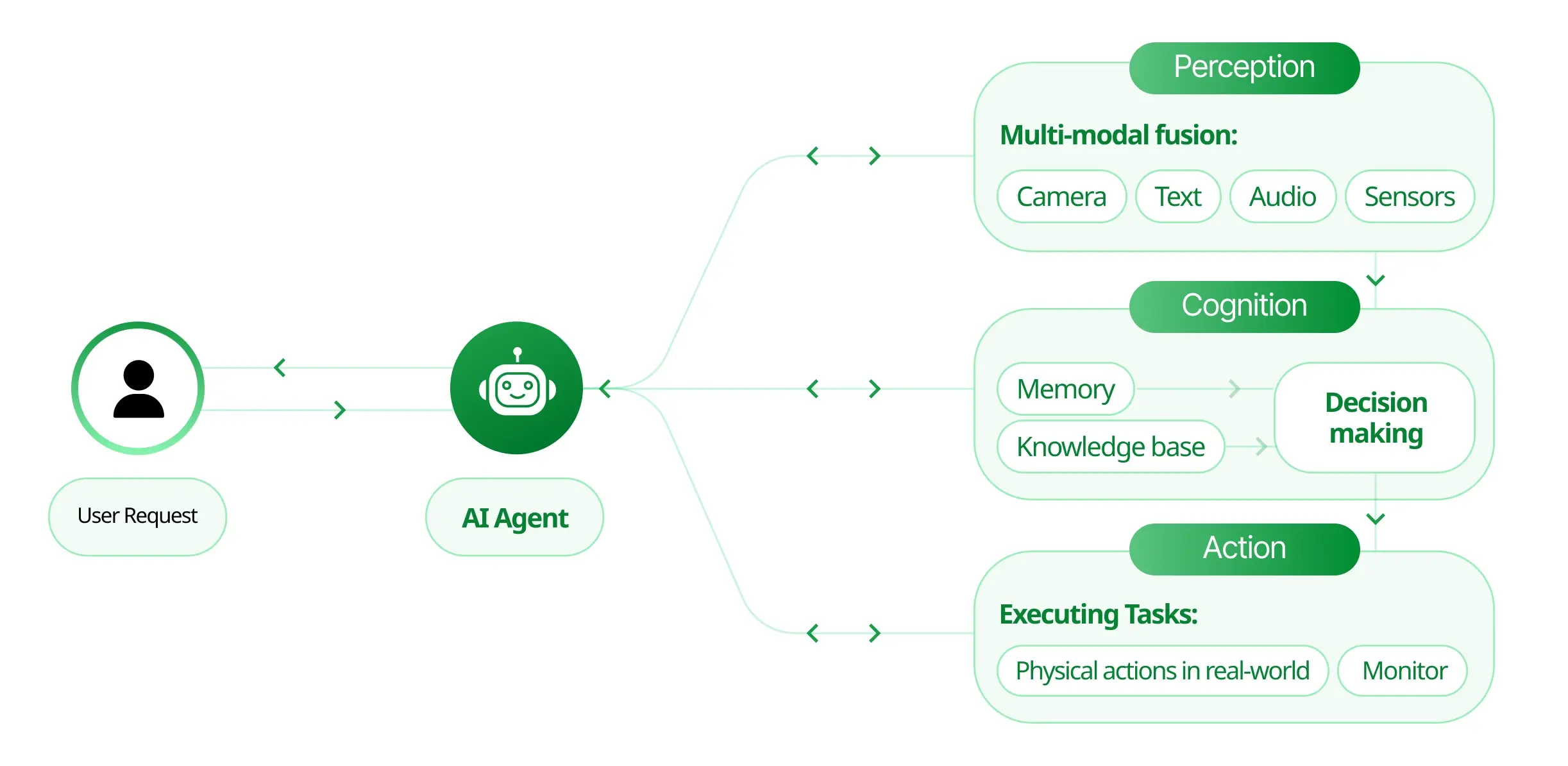
Agentic AI systems are powerful precisely because they operate with a high degree of autonomy. In cloud environments, this autonomy enables agents to remediate incidents, optimize costs, or interact dynamically with users without constant human intervention. However, unchecked autonomy can quickly lead to unpredictable outcomes, inefficiencies, or even compliance violations. To extract real business value from agentic AI, enterprises need to focus on structured governance, tight integration, and leveraging cloud-native capabilities.
Start with clear boundaries
The first principle is to establish strict, policy-driven constraints for what an agent can do and under which conditions. Cloud providers like AWS, Azure, and Google Cloud Platform offer tools such as identity and access management (IAM), resource tagging, and policy engines to help enforce these limits. For instance, a SaaS company that launched an AI agent to automatically provision resources saw cloud costs spike due to misinterpreted telemetry data. By implementing restrictive IAM roles, tagging, and budget alerts, the company regained control and prevented similar issues in the future. The key lesson: it’s safer to start with tighter controls and gradually loosen them as trust in the agent grows.
Leverage cloud-native integrations for context and action
Agentic AI performs best when it has fast access to context and reliable interfaces. Treating AI as a standalone component often leads to brittle, high-maintenance solutions. Instead, integrate agents directly with the cloud platform using services like AWS EventBridge, Azure Event Grid, and managed workflow tools such as Step Functions or Logic Apps. For example, a retailer building a pricing optimization agent initially relied on custom connectors to link databases and notification endpoints, resulting in frequent failures. Switching to cloud-native integrations cut maintenance overhead and improved system reliability. The takeaway: let your agent leverage the platform’s built-in capabilities rather than reinventing the wheel.
Implement robust monitoring, audit, and approval workflows
Finally, to maintain safe and efficient operation, pair every agentic AI deployment with least-privilege access, approval gates for risky actions, rate limits, and comprehensive logging. This ensures transparency and accountability, allowing teams to track changes and intervene before minor issues escalate. By combining these governance mechanisms with cloud-native orchestration and data access, enterprises can deploy agentic AI systems that are both autonomous and controllable, delivering measurable business impact without unnecessary risk.
This approach—tight governance, deep integration, and operational oversight—creates the foundation for successful, scalable, and reliable agentic AI in the cloud, enabling organizations to fully harness the power of autonomous intelligence while maintaining control over outcomes.