

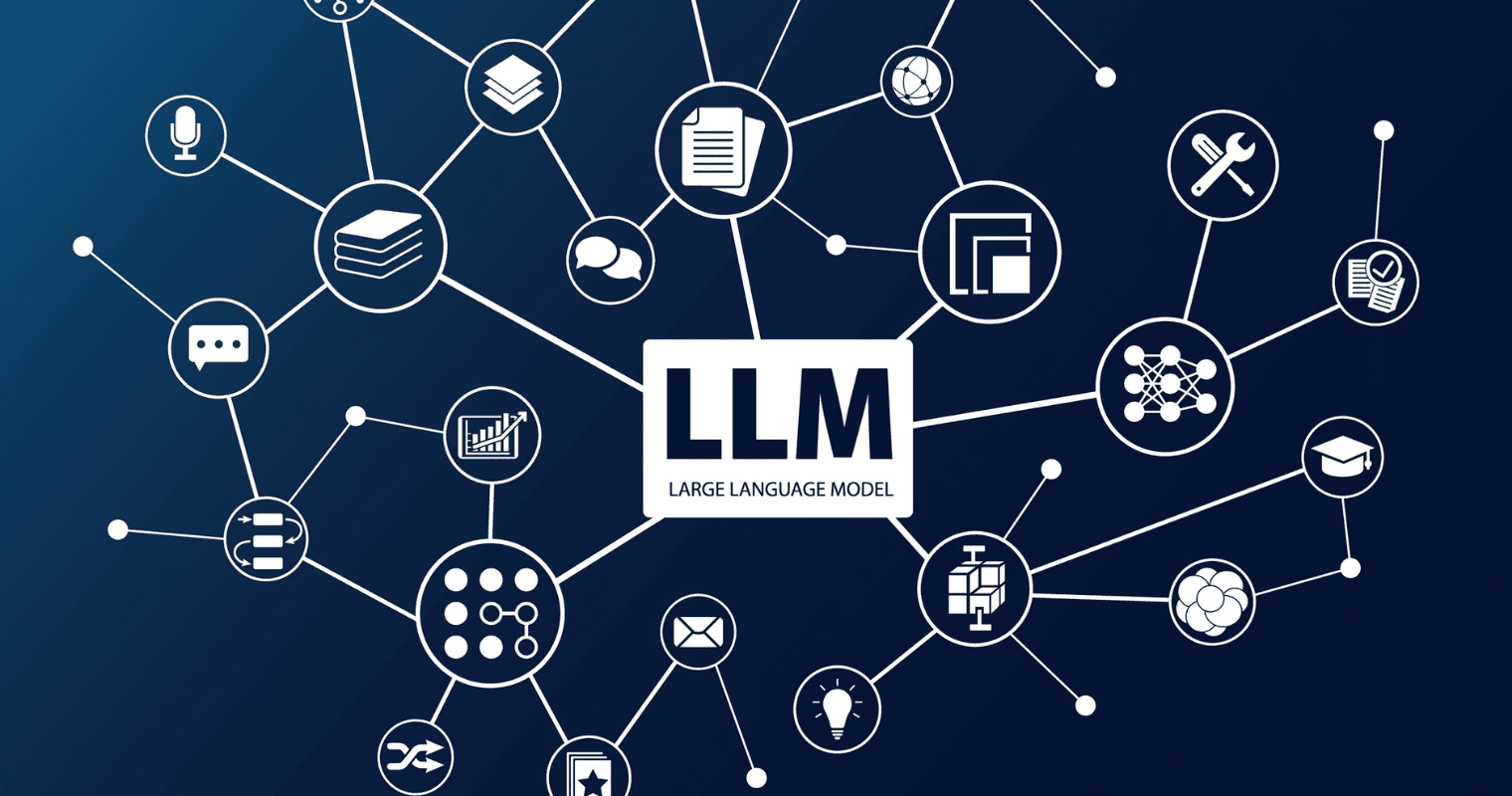
“Understanding LLM Application Frameworks: Building Efficient AI Systems”
While large language models (LLMs) like GPT have garnered widespread attention, their standalone capabilities often fall short of expectations. The term “stochastic parrots” accurately describes LLMs in their raw form, as they can generate coherent text but may lack factual consistency, sometimes producing incorrect or irrelevant responses. However, when combined with retrieval-augmented generation (RAG) systems, LLMs become far more powerful, offering a reliable method of retrieving relevant data that reduces the risk of hallucination—AI’s tendency to fabricate or misrepresent information. When these RAG systems are integrated with software that enables action, such as sending emails or executing tasks, the result is a more functional system: an intelligent agent. But to make all these components work seamlessly together, you need an LLM application framework.
LLM application frameworks play a crucial role in orchestrating the various parts of a system. Think of them as the “plumbing” that connects different technologies and ensures smooth communication between components. In a RAG application, for example, these frameworks act as intermediaries, connecting data sources to vector databases through encoders, improving user queries by augmenting them with database search results, and passing those enhanced queries to the LLM for processing. Once the model generates a response, the framework sends the output back to the user. Frameworks like Haystack illustrate how these components and pipelines can be combined to build complex, efficient LLM applications.
The primary advantage of using an LLM application framework is the reduction in coding complexity. These frameworks are pre-built and tested by experts in the field, giving developers a head start by providing reusable, robust components. Rather than writing custom code for every integration or operation, developers can focus on higher-level tasks, knowing that the framework will handle the technical intricacies. Given that these frameworks have been tested in real-world applications by countless developers, they offer a level of reliability and efficiency that can dramatically speed up development processes.
In addition to saving time, LLM application frameworks also help developers avoid common pitfalls. They abstract away some of the complexities of working with large-scale AI systems, offering built-in solutions for issues like data retrieval, query enhancement, and task execution. By providing standardized, well-tested tools, these frameworks ensure that the foundation for building LLM-powered applications is solid and scalable. With LLM application frameworks, developers can quickly assemble intelligent systems that are not only functional but also efficient and dependable.