

Close Menu
Şevket Ayaksız

    Subscribe to Updates

    Get the latest creative news from FooBar about art, design and business.

    What's Hot

    Chainguard launches Athena, an AI-powered initiative designed

    Haziran 16, 2026

    Sony WH-1000XM6 vs. Sennheiser Momentum 5: The headphones

    Haziran 16, 2026

    Fast chargers with flagship iPhone, Samsung, and OnePlus phones

    Haziran 16, 2026
    Facebook X (Twitter) Instagram
    • software
    • Gadgets
    Facebook X (Twitter) Instagram
    Şevket AyaksızŞevket Ayaksız
    Subscribe
    • Home
    • Technology

      Fast chargers with flagship iPhone, Samsung, and OnePlus phones

      Haziran 16, 2026

      7 budget-friendly upgrades that made my TV sound dramatically better

      Haziran 16, 2026

      Valve targets a summer launch for Steam Machine but keeps pricing secret

      Haziran 7, 2026

      Intel and Phison aim to overcome local AI’s memory bottleneck

      Haziran 2, 2026

      Nvidia RTX Spark could transform the next generation of gaming handhelds

      Haziran 2, 2026
    • Adobe
    • Microsoft
    • java
    • Oracle
    Şevket Ayaksız
    Anasayfa » Google Wins Java Dispute; Oracle Remains Defiant
    software

    Google Wins Java Dispute; Oracle Remains Defiant

    By mustafa efeTemmuz 31, 2024Yorum yapılmamış3 Mins Read
    Facebook Twitter Pinterest LinkedIn Tumblr Email
    Share
    Facebook Twitter LinkedIn Pinterest Email

    Supreme Court Rules 6-2 in Favor of Google’s Use of Java in Android as Fair Use; Oracle Stands Firm

    In a protracted legal battle spanning over a decade, the US Supreme Court has ruled in favor of Google in its dispute with Oracle regarding the use of Java code in Android. By a 6-2 vote, the Court determined that Google’s use of a small portion of the Java API did not constitute copyright infringement but rather represented fair use. This ruling marks a significant victory for Google in a case that has seen multiple twists and turns since its inception.

    The case centered around Google’s incorporation of Java SE (Standard Edition) API elements into the Android operating system. The Supreme Court’s decision, issued on April 5, 2021, established that Google’s use of the API—specifically the Java API—was fair use as it constituted a minimal portion of the total codebase. The Court acknowledged the unique nature of computer programs and the challenges in applying traditional copyright principles to the technological realm. The arguments were presented to the Court on October 7, 2020.

    Despite the ruling, Oracle has expressed its discontent, asserting that Google acted inappropriately by using Java code. Oracle’s executive vice president and general counsel, Dorian Daley, criticized the ruling, claiming it bolstered Google’s market dominance and created higher barriers to entry for competitors. Daley argued that Google’s actions reflected monopolistic behavior, prompting scrutiny from global and US regulatory authorities regarding Google’s business practices.
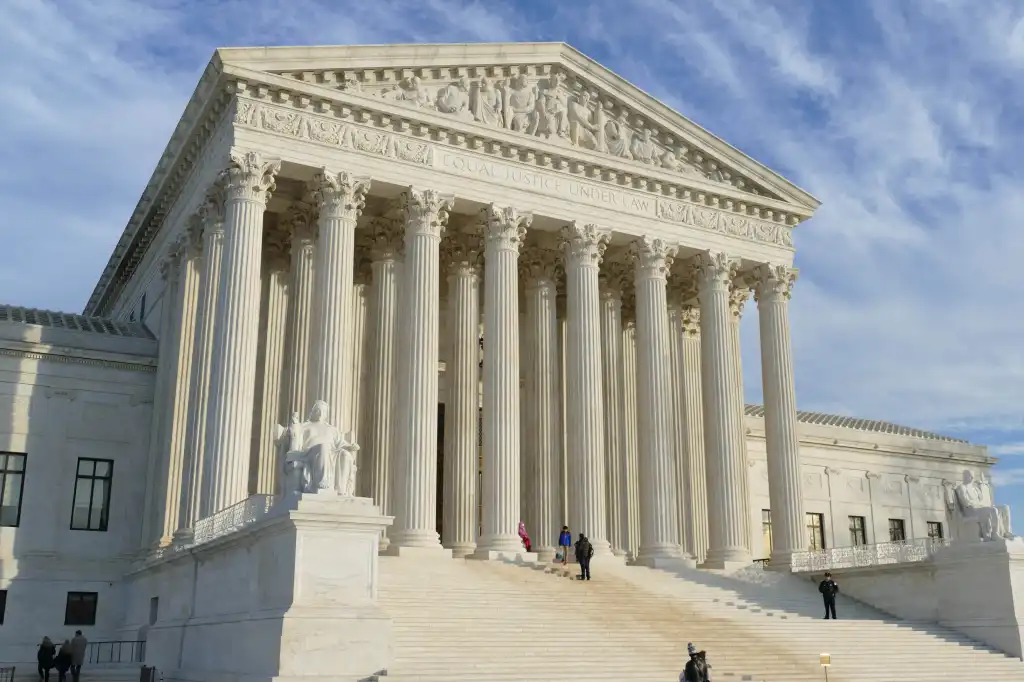


    The majority opinion was supported by Justices Stephen Breyer, John Roberts, Sonia Sotomayor, Elena Kagan, Neil Gorsuch, and Brett Kavanaugh. Justices Clarence Thomas and Samuel Alito dissented from the decision. Justice Amy Coney Barrett, who joined the Supreme Court in late October, did not participate in the deliberations for this case.

    The Court’s ruling noted that Google utilized approximately 11,500 lines of code from Java SE’s API, which represented only 0.4 percent of the total 2.86 million lines of code at issue. This minimal fraction was deemed sufficient for Google’s purposes in developing Android, and the Court concluded that it did not infringe Oracle’s copyrights.

    The legal dispute began shortly after Oracle acquired Sun Microsystems, the original developer of Java, in 2010. Oracle’s lawsuit alleged that Google’s Android platform violated Oracle’s patents and copyrights. Following years of litigation and lower court rulings in Google’s favor, the case reached the Supreme Court after a reversal by a US Court of Appeals. The Supreme Court’s decision now stands as a pivotal moment in the ongoing debate over intellectual property and fair use in the software industry.

    Post Views: 297
    java Programming Languages Software Development
    Share. Facebook Twitter Pinterest LinkedIn Tumblr Email
    mustafa efe
    • Website

    Related Posts

    Chainguard launches Athena, an AI-powered initiative designed

    Haziran 16, 2026

    3 unofficial Android Auto apps that transformed my car’s infotainment screen

    Haziran 16, 2026

    ChatGPT’s new “Dreaming” feature boosts memory and personalization

    Haziran 7, 2026
    Add A Comment

    Comments are closed.

    Editors Picks
    8.5

    Apple Planning Big Mac Redesign and Half-Sized Old Mac

    Ocak 5, 2021

    Autonomous Driving Startup Attracts Chinese Investor

    Ocak 5, 2021

    Onboard Cameras Allow Disabled Quadcopters to Fly

    Ocak 5, 2021
    Top Reviews
    9.1

    Review: T-Mobile Winning 5G Race Around the World

    By sevketayaksiz
    8.9

    Samsung Galaxy S21 Ultra Review: the New King of Android Phones

    By sevketayaksiz
    8.9

    Xiaomi Mi 10: New Variant with Snapdragon 870 Review

    By sevketayaksiz
    Advertisement
    Demo
    Şevket Ayaksız
    Facebook X (Twitter) Instagram YouTube
    • Home
    • Adobe
    • microsoft
    • java
    • Oracle
    • Contact
    © 2026 Theme Designed by Şevket Ayaksız.

    Type above and press Enter to search. Press Esc to cancel.