

Close Menu
Şevket Ayaksız
    What's Hot

    AI watermarks could improve transparency but won’t stop AI slop

    Eylül 13, 2026

    LG’s 4K OLED gaming monitor gets a $600 discount

    Eylül 13, 2026

    Keychron’s 100-key macropad offers 8,000Hz polling for $65

    Eylül 13, 2026
    • software
    • Gadgets
    Şevket AyaksızŞevket Ayaksız
    • Home
    • Technology

      Apple: iPhone 17 and Older Models Hit With Unexpected $100 Price Increase

      Eylül 10, 2026

      Apple Watch Intelligence Could Be a Major Accessibility Breakthrough

      Eylül 10, 2026

      Apple May Skip the Base iPhone 18 This Year

      Eylül 10, 2026

      FCC changes robot vacuum rules, potentially affecting future models

      Ağustos 8, 2026

      Samsung’s new 2TB 990 SSD drops to its lowest price yet

      Ağustos 6, 2026
    • Adobe

      Adobe brings four key creative apps to Windows on Arm beta

      Ağustos 1, 2025

      Skip the Legal Jargon—Adobe Acrobat’s AI Reads Contracts for You

      Şubat 5, 2025

      Save 50% on a Top-Rated Adobe Alternative This Black Friday

      Kasım 30, 2024

      Save 50% on Adobe’s Creative Cloud This Black Friday

      Kasım 25, 2024

      Adobe Brings Generative AI to Premiere Pro for Smarter Video Editing

      Ekim 24, 2024
    • Microsoft

      Microsoft quietly removes Windows 11’s 32GB RAM recommendation

      Ağustos 6, 2026

      Microsoft aims to improve Windows 11 performance on 8GB PCs

      Ağustos 2, 2026

      Microsoft PowerToys remains an essential Windows utility

      Temmuz 31, 2026

      Microsoft says Windows Secure Boot certificate rollout is still in progress

      Temmuz 30, 2026

      Microsoft tests Windows Update changes after major outage

      Temmuz 29, 2026
    • java

      Optimizing Java Streams for High-Performance Applications

      Aralık 20, 2025

      AI Brings a New Spark to JavaScript Programming

      Kasım 9, 2025

      Revisiting the Spring Framework: What’s New and Why It Still Matters

      Kasım 9, 2025

      Top Highlights and Features to Watch in Java 25

      Kasım 3, 2025

      Mastering Java Cold Starts: Achieving High-Performance Serverless with GraalVM and Spring

      Kasım 3, 2025
    • Oracle

      JavaScript Community Pushes Back Against Oracle’s Trademark Claim

      Şubat 8, 2025

      Understanding the Impact of the Google vs. Oracle Decision

      Aralık 25, 2024

      Google Wins Legal Battle Over Java, Oracle Continues to Resist

      Aralık 25, 2024

      Oracle Unveils Verrazzano: A New Container Platform for Kubernetes

      Aralık 12, 2024

      Oracle vs. Google: Implications of the Verdict on Open Source Software

      Aralık 8, 2024
    Şevket Ayaksız
    Anasayfa » Implementing Rate Limiting Algorithms in ASP.NET Core: A Comprehensive Guide
    software

    Implementing Rate Limiting Algorithms in ASP.NET Core: A Comprehensive Guide

    By mustafa efeEkim 7, 2024Yorum yapılmamış3 Mins Read
    Facebook Twitter Pinterest LinkedIn Tumblr Email
    Share
    Facebook Twitter LinkedIn Pinterest Email

    Master Rate Limiting in ASP.NET Core 7: Utilize Fixed Window, Sliding Window, Token Bucket, and Concurrency Algorithms to Secure Your Applications and APIs

    Rate limiting is an essential technique for managing the flow of requests to a server or API, preventing potential abuses such as Distributed Denial-of-Service (DDoS) attacks and excessive API calls. By imposing restrictions on the number of requests that can be made within a defined time window, developers can ensure the stability and reliability of their applications. In this article, we will explore the four key rate limiting algorithms available in ASP.NET Core 7: fixed window, sliding window, token bucket, and concurrency, equipping you with the knowledge to protect your applications effectively.

    To get started with the implementation of these algorithms, you’ll first need to set up an ASP.NET Core 7 minimal Web API project. If you’re using Visual Studio 2022, follow these straightforward steps: Launch the IDE, click on “Create new project,” and select “ASP.NET Core Web API” from the template list. After specifying the project name and location, ensure you select the “.NET 7.0 (Current)” framework and opt for minimal APIs by unchecking the “Use controllers…” box. With these configurations, you’ll be ready to dive into implementing rate limiting.

    Now, let’s discuss the different algorithms. The fixed window algorithm allows a specific number of requests within a fixed time interval. Once the threshold is reached, further requests will be rejected until the next time window begins. This method is simple and straightforward, making it easy to implement but can lead to spikes in requests at the beginning of each time window.

    In contrast, the sliding window algorithm offers a more granular approach to rate limiting by allowing requests to be tracked over a rolling time window. This means that instead of resetting at fixed intervals, the rate limit is continuously evaluated. This approach provides a smoother user experience since it reduces the chances of sudden request rejections, especially during peak traffic times.
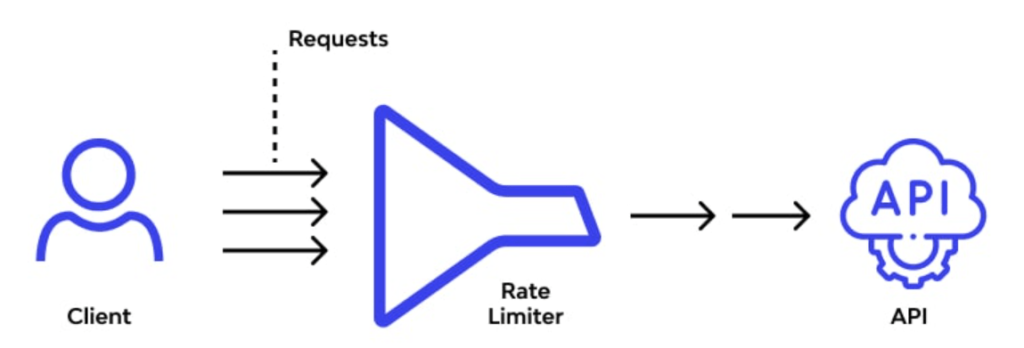


    The token bucket algorithm operates on a different principle, allowing bursts of requests while maintaining an average rate. It uses a bucket that fills with tokens at a set rate; each request consumes a token. If the bucket is empty, requests are denied until tokens become available. This method is highly effective for managing varying loads while still enforcing an overall limit.

    Lastly, the concurrency algorithm manages the number of simultaneous requests allowed to a particular resource. This is particularly useful in scenarios where resource-intensive operations might degrade performance if too many concurrent requests are allowed. By limiting concurrency, you can ensure that your application remains responsive even under heavy load.

    With these four algorithms in mind, we can now proceed to implement them within our ASP.NET Core minimal Web API project. This implementation will provide you with a hands-on understanding of how to use rate limiting to protect your applications against overuse and abuse, ensuring they run smoothly and efficiently.

    Post Views: 327
    java Programming Languages Software Development
    Share. Facebook Twitter Pinterest LinkedIn Tumblr Email
    mustafa efe
    • Website

    Related Posts

    AI watermarks could improve transparency but won’t stop AI slop

    Eylül 13, 2026

    Google lets Gemini users remove visible watermarks from AI images and videos

    Eylül 13, 2026

    OpenAI removes ChatGPT text chat limits for free and Go users

    Ağustos 8, 2026
    Add A Comment

    Comments are closed.

    Editors Picks
    8.5

    Apple Planning Big Mac Redesign and Half-Sized Old Mac

    Ocak 5, 2021

    Autonomous Driving Startup Attracts Chinese Investor

    Ocak 5, 2021

    Onboard Cameras Allow Disabled Quadcopters to Fly

    Ocak 5, 2021
    Top Reviews
    9.1

    Review: T-Mobile Winning 5G Race Around the World

    By sevketayaksiz
    8.9

    Samsung Galaxy S21 Ultra Review: the New King of Android Phones

    By sevketayaksiz
    8.9

    Xiaomi Mi 10: New Variant with Snapdragon 870 Review

    By sevketayaksiz
    Advertisement
    Demo
    Şevket Ayaksız
    Instagram
    • Home
    • Adobe
    • microsoft
    • java
    • Oracle
    • Contact
    © 2026 Theme Designed by Şevket Ayaksız.

    Type above and press Enter to search. Press Esc to cancel.