


Sorry, Java: JavaScript’s Success Across Browsers, Servers, and Mobile Platforms Raises Questions About Its ‘Write Once, Run Anywhere’ Capabilities
Has JavaScript replaced Java as the new “Write once, run anywhere” programming language? The answer isn’t straightforward and largely depends on your perspective. As new technologies like WebAssembly emerge, Java could experience a resurgence in a modernized “write once, compile anywhere” model.
Java has long been known for its portability, running on any device with a Java Virtual Machine (JVM). This includes a variety of operating systems and hardware platforms, from desktop computers to mobile and embedded devices. JavaScript, traditionally essential for in-browser applications, has expanded its reach significantly. Technologies such as the Electron framework enable JavaScript to power desktop applications, while frameworks like React Native extend its capabilities to mobile development. Additionally, JavaScript is used on the server side with tools like Node.js and Deno, and it has even made inroads into IoT and robotics with platforms such as NodeMCU.
According to developer Shalitha Suranga, author of the Neutralino JavaScript/TypeScript framework, JavaScript’s versatility means that it can now perform many roles traditionally held by Java. Suranga argues in a Medium opinion piece that JavaScript has effectively become the new “Write once, run anywhere” language. He points out that JavaScript now excels in areas where Java was once dominant, including desktop applications, web servers, web clients, mobile apps, and even smart TV applications.
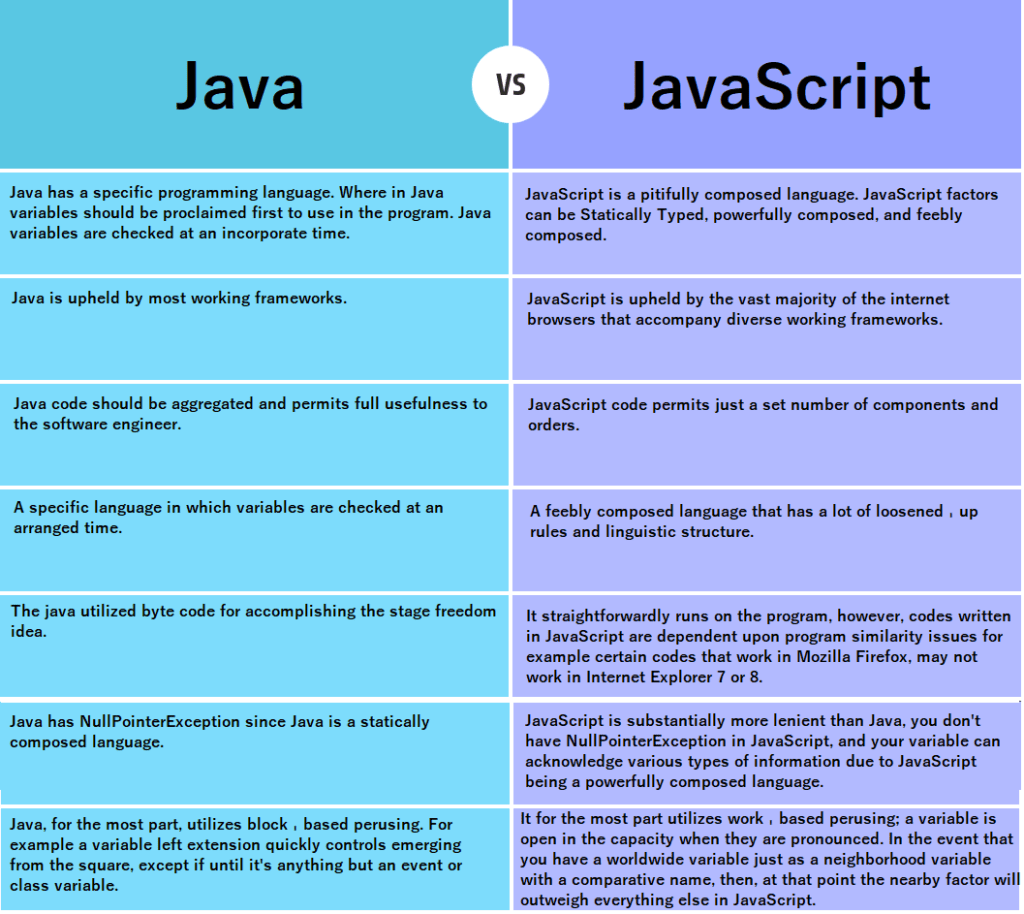
While Suranga’s article paints JavaScript as a superior alternative to Java in many domains, he stops short of claiming that JavaScript is responsible for Java’s decline. Instead, he suggests that JavaScript’s advancements make it a strong contender in areas where Java used to shine. JavaScript’s dominance in web browsers, where Java applets struggled to gain traction, and its growing influence in mobile app development through cross-platform frameworks like Ionic, React Native, and NativeScript, underscore this shift.
However, at Oracle, the organization responsible for maintaining the standard edition of Java, there is skepticism about claims of Java’s decline. Chad Arimura, vice president of developer relations for the Java platform group at Oracle, notes that despite frequent declarations of Java’s demise over the past 15 years, it remains a vital platform. Oracle continues to release new versions of Java, such as Java 16, which reflects ongoing commitment and development for the language.
In summary, while JavaScript has certainly expanded its domain and now serves many functions that Java once did, Java continues to hold significant ground, particularly in enterprise environments and where JVM-based applications are critical. The evolving landscape of programming languages highlights the strengths and adaptability of both Java and JavaScript, each serving different needs and contexts in the software development world.