

Close Menu
Şevket Ayaksız

    Subscribe to Updates

    Get the latest creative news from FooBar about art, design and business.

    What's Hot

    Microsoft tests a revamped Windows Search experience

    Temmuz 19, 2026

    Anker’s 20,000mAh power bank with built-in USB-C cable drops to $38

    Temmuz 19, 2026

    Microsoft urges users to install Windows updates within three days

    Temmuz 19, 2026
    Facebook X (Twitter) Instagram
    • software
    • Gadgets
    Facebook X (Twitter) Instagram
    Şevket AyaksızŞevket Ayaksız
    Subscribe
    • Home
    • Technology

      Innocn’s 49-inch ultrawide monitor hits a record-low $500 for Prime Day

      Temmuz 12, 2026

      Sony 1000X The Collexion vs. Bowers & Wilkins Px8 S2: Which Premium Headphones Come Out on Top?

      Temmuz 11, 2026

      SpaceX Eyes Massive Starlink Expansion With Plans for 100,000 Additional Satellites

      Temmuz 11, 2026

      Nvidia celebrates 30 years of GPUs with free GeForce trading cards

      Temmuz 10, 2026

      Acer’s 7-in-1 wireless charging station drops to $50

      Temmuz 9, 2026
    • Adobe
    • Microsoft
    • java
    • Oracle
    Şevket Ayaksız
    Anasayfa » Java 11 and Java 17 Lead Java Usage, Azul Survey Finds
    java

    Java 11 and Java 17 Lead Java Usage, Azul Survey Finds

    By mustafa efeTemmuz 4, 2024Yorum yapılmamış3 Mins Read
    Facebook Twitter Pinterest LinkedIn Tumblr Email
    Share
    Facebook Twitter LinkedIn Pinterest Email

    Overwhelming Majority of Java Professionals Surveyed Run a Long Term Support Release, with Java 11 and Java 17 Ahead of Java 8

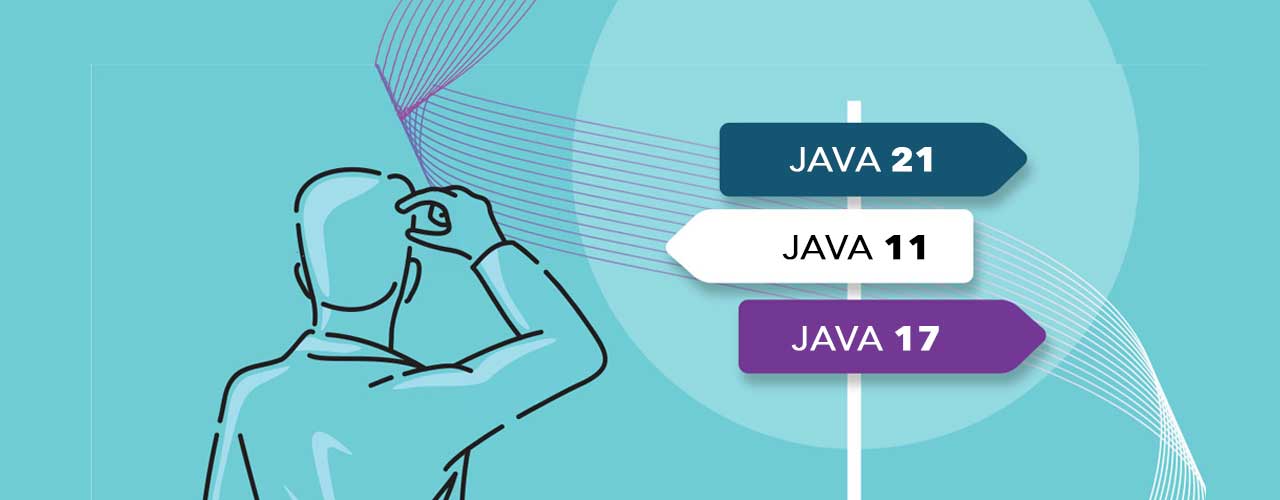
    Java 11 and Java 17, designated as Long Term Support (LTS) versions by Oracle, emerge as the most widely adopted Java versions, closely followed by Java 8, according to a recent survey conducted by Java software provider Azul.

    Released in September 2018, Java 11 and September 2020, Java 17 were reported as the primary choices for 48% and 45% of respondents, respectively. Meanwhile, Java 8, an LTS version released in March 2014, maintained substantial usage at 40%. These insights were published in the Azul State of Java Survey and Report 2023 on October 24. The report draws from a global survey of 2,062 Java professionals and users of Java-based applications conducted in May and June.

    The survey also highlighted that 85% of respondents employed an LTS version of Java, indicating a preference for versions backed by Oracle’s long-term support commitments. Additionally, 64% of respondents reported using more than one Java version concurrently. Azul noted a positive trend moving beyond Java 8 to newer LTS versions, suggesting that application teams have successfully navigated interoperability challenges introduced post-Java 9, released in September 2017.

    Java’s release cadence includes new versions every six months, with LTS releases arriving every two years from Oracle. Non-LTS releases, also known as feature releases, receive only six months of support and are typically skipped by many organizations. The most recent LTS release, JDK 21, debuted in September, underlining the ongoing evolution and support lifecycle of Java versions.



    Overall, the survey underscores the strategic adoption patterns of Java LTS versions among developers and organizations, reflecting a balance between stability and access to new features in the Java ecosystem.

    Azul found that 85% of respondents used an LTS version of Java, meaning the Java version is backed by several years of support from Oracle, and 64% used more than one Java version. Azul said it was encouraged to see critical mass move beyond Java 8 to more recent LTS versions, adding this likely indicated that application teams had moved beyond interoperability issues introduced in Java 9, which arrived in September 2017.

    New releases of Java are published every six months, with LTS versions from Oracle arriving every two years. Short-term releases, or feature releases, get just six months of support, and are published when an LTS release is not due. It is common practice for companies to skip these feature releases, Azul said. The latest release of Java,  JDK 21, was published in September as an LTS release.

    Post Views: 383
    java Programming Languages Software Development
    Share. Facebook Twitter Pinterest LinkedIn Tumblr Email
    mustafa efe
    • Website

    Related Posts

    Optimizing Java Streams for High-Performance Applications

    Aralık 20, 2025

    AI Brings a New Spark to JavaScript Programming

    Kasım 9, 2025

    Revisiting the Spring Framework: What’s New and Why It Still Matters

    Kasım 9, 2025
    Add A Comment

    Comments are closed.

    Editors Picks
    8.5

    Apple Planning Big Mac Redesign and Half-Sized Old Mac

    Ocak 5, 2021

    Autonomous Driving Startup Attracts Chinese Investor

    Ocak 5, 2021

    Onboard Cameras Allow Disabled Quadcopters to Fly

    Ocak 5, 2021
    Top Reviews
    9.1

    Review: T-Mobile Winning 5G Race Around the World

    By sevketayaksiz
    8.9

    Samsung Galaxy S21 Ultra Review: the New King of Android Phones

    By sevketayaksiz
    8.9

    Xiaomi Mi 10: New Variant with Snapdragon 870 Review

    By sevketayaksiz
    Advertisement
    Demo
    Şevket Ayaksız
    Facebook X (Twitter) Instagram YouTube
    • Home
    • Adobe
    • microsoft
    • java
    • Oracle
    • Contact
    © 2026 Theme Designed by Şevket Ayaksız.

    Type above and press Enter to search. Press Esc to cancel.