

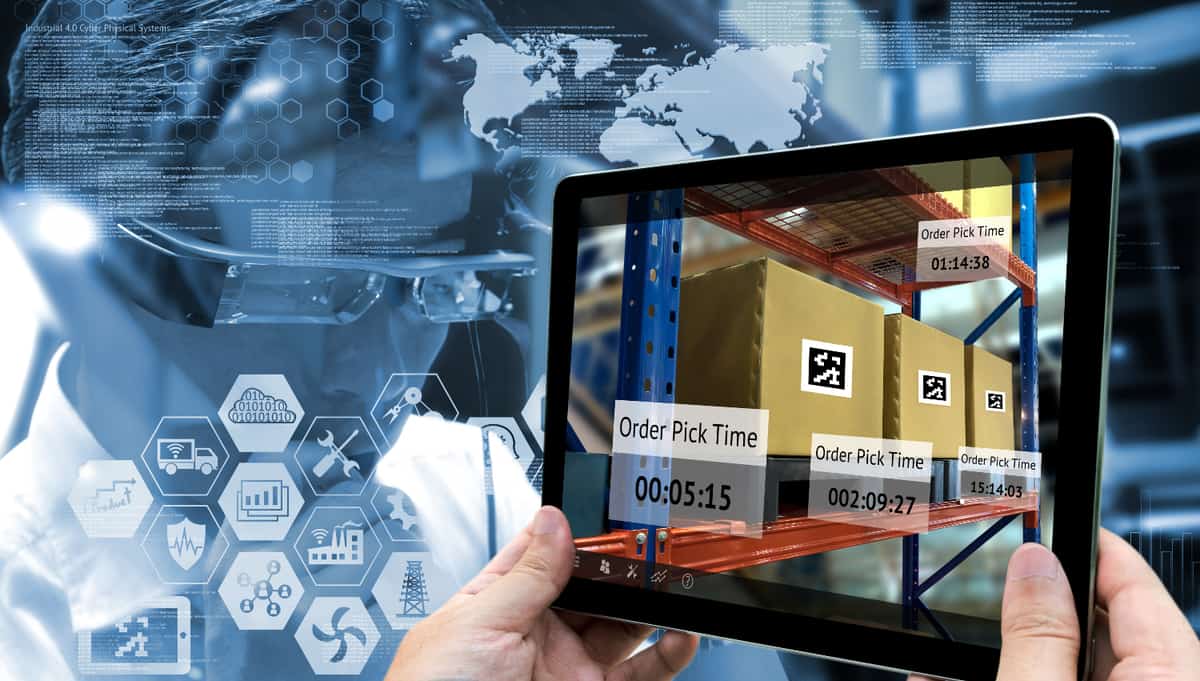
 Manufacturers worldwide are grappling with an array of disruptions, from geopolitical challenges to cyberattacks, consumer-demand fluctuations, and natural disasters. In response, the industry is intensifying its digital transformation efforts, leveraging artificial intelligence (AI)-powered analytics to enhance supply chain visibility and revolutionize day-to-day operations.
Microsoft’s Rochelle Fleming emphasizes the transformative impact of digitalization on manufacturing processes. With a focus on automation in quality control, the integration of AI eliminates human error, significantly improving efficiency. The key lies in combining generative AI with advanced data analytics, allowing businesses to make data-informed decisions, gain valuable insights, and fortify their distribution networks.
AI’s integration into various facets of manufacturing offers promising use cases for enhancing supply chain resilience. In enterprise resource planning (ERP), AI integration with Microsoft Dynamics 365 Supply Chain Management accelerates cross-departmental insights, improving processes, cost savings, and forecasting accuracy. Nestlé’s implementation of Dynamics 365 showcases the positive impact on accounting and supply chain reporting across its vast global operations.
Manufacturing Execution Systems (MES) represent another crucial use case, particularly for industries with strict regulations. MES, combined with generative AI, provides visibility into operations, driving industrial automation, lowering production costs, and ensuring regulatory compliance. Predictive maintenance empowered by AI enables manufacturers to proactively avoid downtime, optimizing repair schedules and enhancing overall operational efficiency.
AI’s role in logistics management has become pivotal, especially in responding to global delivery disruptions. Automation facilitates seamless ordering, tracking, and delivery of materials, linking supplier risk to real-time supply chain data for enhanced insights and quicker responses to outages.
As manufacturers integrate cloud technologies, AI-driven improvements in product lifecycle management (PLM) prove transformative. Generative AI aids in automating manual processes, providing deeper insights from existing data. AI-powered quality management solutions, offered by partners like Loopr.ai and Predisys, enable real-time data analysis, paving the way for proactive quality control and heightened efficiency.
The journey towards digital transformation opens avenues for innovation, with cloud technologies extracting insights at scale from diverse sources. AI’s role in quality management not only ensures better decision-making but also leads to improved product quality, customer satisfaction, and loyalty. As the manufacturing sector continues its digital evolution, emerging technologies like edge computing and the Internet of Things (IoT) are poised to further redefine the landscape of resilient and adaptive supply chains.