

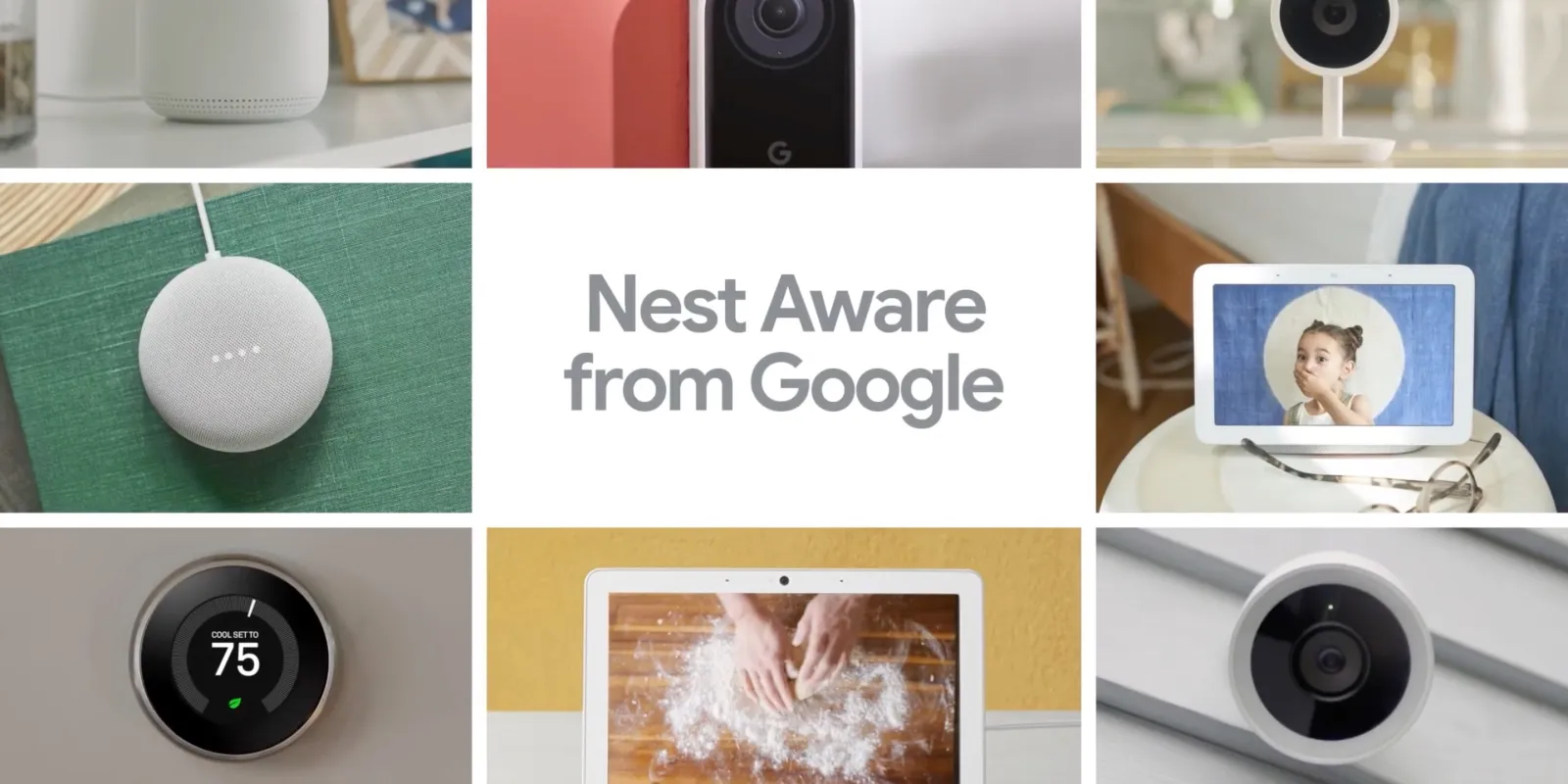

Google raises Nest Aware subscription prices again—Plus plan now costs 33% more
In a move that continues the trend of rising smart home service costs, Google has officially raised the prices for its Nest Aware and Nest Aware Plus subscriptions. The price increases take effect immediately for new customers and will impact existing subscribers after August 15, or when their current promotional rates expire.
The standard Nest Aware subscription, which includes 30 days of cloud-based event video history along with intelligent alerts and emergency calling features, now costs $10 per month—up from $8. The annual plan has increased from $80 to $100, reflecting a 25 percent hike. Though this is a notable jump, it’s modest compared to the Plus plan.
Nest Aware Plus subscribers will see a more significant rise, with monthly costs going from $15 to $20 and annual pricing increasing from $150 to $200. These changes represent a 33 percent increase across the board—raising questions about affordability, especially as many users depend on the Plus plan’s extended 60-day event history and 10 days of continuous 24/7 video history for more robust surveillance coverage.
Google, in a customer email, attempted to cushion the announcement by reaffirming its commitment to adding more features and improvements over time. However, the company has not provided a timeline or details about what new functionality might justify the recurring price jumps.
This is not the first time Nest Aware users have been hit with rising costs. In September 2023, Google increased Nest Aware from $6 to $8 monthly and Nest Aware Plus from $12 to $15. In just under two years, the Nest Aware Plus plan has climbed from $12 to $20 monthly—a 66% increase—while the standard plan has gone from $6 to $10.
These price hikes place Nest Aware closer to the top of the pricing scale among competing home security platforms. While the value-added features—like familiar face recognition and emergency service integration—remain attractive, some long-term subscribers may start to reevaluate whether the service still offers a good return on investment as costs rise faster than innovation appears.