


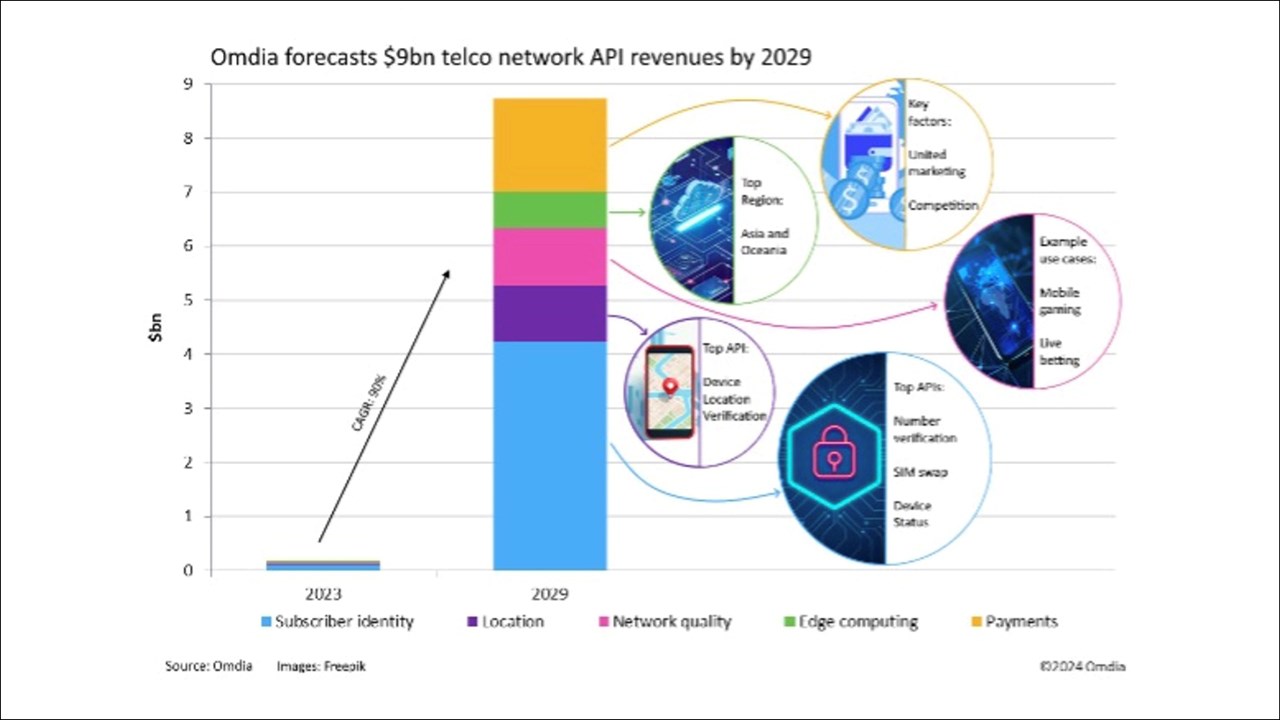
Telecom networks are rapidly evolving from traditional connectivity providers into intelligent, programmable platforms, thanks to the rise of network APIs. No longer limited to simply transmitting data, modern networks are exposing capabilities that developers can leverage to create richer, more responsive applications. These APIs enable functionalities such as device location tracking, SIM swap detection, real-time KYC (know your customer) verification, and even requesting prioritized network bandwidth through services like the Quality on Demand API. Such capabilities are bridging the gap between network infrastructure and software innovation, making what once seemed futuristic a practical reality.
Developers across industries—not just in telecommunications—are beginning to harness these tools to build smarter applications. For instance, financial services can enhance security by verifying SIM card changes, while logistics companies can track assets with greater precision using location APIs. Similarly, streaming platforms and gaming apps can guarantee smoother user experiences by dynamically requesting higher network priority. This shift allows software to interact with the underlying network in ways that were previously impossible, fundamentally changing how applications operate in real time.
Initiatives like CAMARA and the GSMA Open Gateway have been pivotal in this transformation. By standardizing API access and offering secure, scalable interfaces, they have opened the door for startups and enterprises alike to experiment with network-level features without needing to own or operate the infrastructure themselves. This democratization of network intelligence is accelerating innovation and enabling developers to explore new service models that were once the domain of large telecom providers.
The implications for software development are profound. With networks becoming programmable platforms, developers can now integrate connectivity as a core feature of their applications rather than treating it as a passive utility. This paradigm shift promises faster deployment cycles, enhanced user experiences, and new business opportunities. As these network APIs continue to mature, we can expect a future where applications are deeply aware of—and responsive to—the network environment, making connectivity smarter, faster, and more adaptive than ever before.