

Close Menu
Şevket Ayaksız
    What's Hot

    AI watermarks could improve transparency but won’t stop AI slop

    Eylül 13, 2026

    LG’s 4K OLED gaming monitor gets a $600 discount

    Eylül 13, 2026

    Keychron’s 100-key macropad offers 8,000Hz polling for $65

    Eylül 13, 2026
    • software
    • Gadgets
    Şevket AyaksızŞevket Ayaksız
    • Home
    • Technology

      Apple: iPhone 17 and Older Models Hit With Unexpected $100 Price Increase

      Eylül 10, 2026

      Apple Watch Intelligence Could Be a Major Accessibility Breakthrough

      Eylül 10, 2026

      Apple May Skip the Base iPhone 18 This Year

      Eylül 10, 2026

      FCC changes robot vacuum rules, potentially affecting future models

      Ağustos 8, 2026

      Samsung’s new 2TB 990 SSD drops to its lowest price yet

      Ağustos 6, 2026
    • Adobe

      Adobe brings four key creative apps to Windows on Arm beta

      Ağustos 1, 2025

      Skip the Legal Jargon—Adobe Acrobat’s AI Reads Contracts for You

      Şubat 5, 2025

      Save 50% on a Top-Rated Adobe Alternative This Black Friday

      Kasım 30, 2024

      Save 50% on Adobe’s Creative Cloud This Black Friday

      Kasım 25, 2024

      Adobe Brings Generative AI to Premiere Pro for Smarter Video Editing

      Ekim 24, 2024
    • Microsoft

      Microsoft quietly removes Windows 11’s 32GB RAM recommendation

      Ağustos 6, 2026

      Microsoft aims to improve Windows 11 performance on 8GB PCs

      Ağustos 2, 2026

      Microsoft PowerToys remains an essential Windows utility

      Temmuz 31, 2026

      Microsoft says Windows Secure Boot certificate rollout is still in progress

      Temmuz 30, 2026

      Microsoft tests Windows Update changes after major outage

      Temmuz 29, 2026
    • java

      Optimizing Java Streams for High-Performance Applications

      Aralık 20, 2025

      AI Brings a New Spark to JavaScript Programming

      Kasım 9, 2025

      Revisiting the Spring Framework: What’s New and Why It Still Matters

      Kasım 9, 2025

      Top Highlights and Features to Watch in Java 25

      Kasım 3, 2025

      Mastering Java Cold Starts: Achieving High-Performance Serverless with GraalVM and Spring

      Kasım 3, 2025
    • Oracle

      JavaScript Community Pushes Back Against Oracle’s Trademark Claim

      Şubat 8, 2025

      Understanding the Impact of the Google vs. Oracle Decision

      Aralık 25, 2024

      Google Wins Legal Battle Over Java, Oracle Continues to Resist

      Aralık 25, 2024

      Oracle Unveils Verrazzano: A New Container Platform for Kubernetes

      Aralık 12, 2024

      Oracle vs. Google: Implications of the Verdict on Open Source Software

      Aralık 8, 2024
    Şevket Ayaksız
    Anasayfa » Why IT Leaders Should Embrace GraphQL for Modern Data Management
    software

    Why IT Leaders Should Embrace GraphQL for Modern Data Management

    By mustafa efeEylül 5, 2024Yorum yapılmamış3 Mins Read
    Facebook Twitter Pinterest LinkedIn Tumblr Email
    Share
    Facebook Twitter LinkedIn Pinterest Email

    GraphQL: A Unified Solution for Data Integration and LLM Integration Through Advanced Query Planning

    Enterprise IT has long been characterized by a complex web of infrastructure choices that often seem to conflict with one another. The promise of cloud computing was to simplify and streamline these choices, offering a more cohesive approach to managing resources and applications. However, over a decade of cloud-native investments have only added layers of complexity, resulting in a tangled web of microservices, APIs, and various “cloud-native best practices.” For IT professionals hoping that artificial intelligence (AI) might provide a silver bullet to these challenges, the reality is less promising. Integrating advanced AI models like ChatGPT into core systems such as CRM or ERP remains impractical due to governance and control issues.

    Despite these complexities and the challenging macroeconomic climate, the imperative to develop high-quality software remains unchanged. As Matt DeBergalis, CTO and Co-founder of Apollo GraphQL, succinctly put it, “You can’t opt out of building great software.” Merely tinkering with outdated or overly complicated infrastructure will not suffice. Instead, organizations need to embrace new approaches that can enhance productivity and streamline development processes.

    This is where the concept of the supergraph comes into play. The supergraph builds upon a well-established technology known as GraphQL, which many developers are already familiar with and appreciate. The supergraph offers a unified, flexible way to manage and integrate data from various sources, making it a powerful tool for modern development environments. For IT executives, especially those more accustomed to high-level strategic thinking rather than hands-on technical work, understanding and leveraging GraphQL can significantly enhance the productivity of development teams.
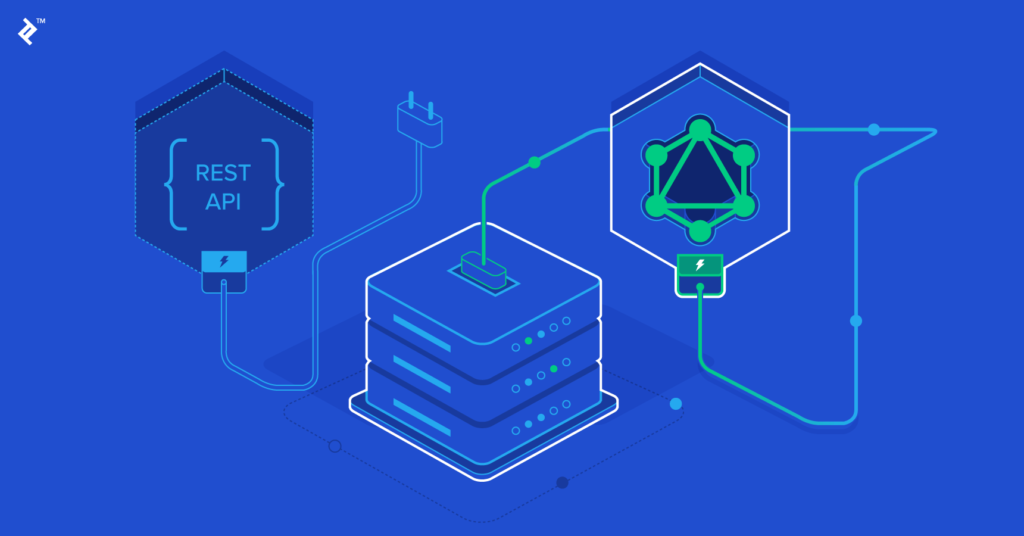


    In the world of enterprise IT, the notion of a “greenfield” application—an entirely new system built from scratch—is a rarity. Most organizations operate in environments where new technologies must integrate seamlessly with existing systems and skillsets. As RedMonk analyst James Governor aptly notes, “While new technology comes in, it must coexist with and build upon existing skills and existing technology stacks.” This coexistence is evident in the persistence of older technologies like COBOL alongside newer languages like Java and Rust. Similarly, companies may use AWS for most of their cloud needs but still rely on Azure or even legacy systems like HP-UX and Windows NT.

    The reality of enterprise IT is that subtraction is rare; instead, it’s a continuous process of addition. Organizations must navigate a landscape where new tools and technologies are added to an already complex mix of existing systems. The supergraph, with its GraphQL foundation, represents a strategic addition that can help simplify data management and integration. By offering a unified approach to handling diverse data sources, it enables developers to work more efficiently and effectively.

    For IT leaders, adopting GraphQL and the supergraph model is not just about keeping up with technology trends; it’s about equipping their teams with the tools needed to thrive in a complex and evolving IT landscape. Embracing these innovations can lead to more streamlined development processes and better software outcomes, ultimately supporting the organization’s broader goals and objectives.

    Post Views: 401
    java Programming Languages Software Development
    Share. Facebook Twitter Pinterest LinkedIn Tumblr Email
    mustafa efe
    • Website

    Related Posts

    AI watermarks could improve transparency but won’t stop AI slop

    Eylül 13, 2026

    Google lets Gemini users remove visible watermarks from AI images and videos

    Eylül 13, 2026

    OpenAI removes ChatGPT text chat limits for free and Go users

    Ağustos 8, 2026
    Add A Comment

    Comments are closed.

    Editors Picks
    8.5

    Apple Planning Big Mac Redesign and Half-Sized Old Mac

    Ocak 5, 2021

    Autonomous Driving Startup Attracts Chinese Investor

    Ocak 5, 2021

    Onboard Cameras Allow Disabled Quadcopters to Fly

    Ocak 5, 2021
    Top Reviews
    9.1

    Review: T-Mobile Winning 5G Race Around the World

    By sevketayaksiz
    8.9

    Samsung Galaxy S21 Ultra Review: the New King of Android Phones

    By sevketayaksiz
    8.9

    Xiaomi Mi 10: New Variant with Snapdragon 870 Review

    By sevketayaksiz
    Advertisement
    Demo
    Şevket Ayaksız
    Instagram
    • Home
    • Adobe
    • microsoft
    • java
    • Oracle
    • Contact
    © 2026 Theme Designed by Şevket Ayaksız.

    Type above and press Enter to search. Press Esc to cancel.