

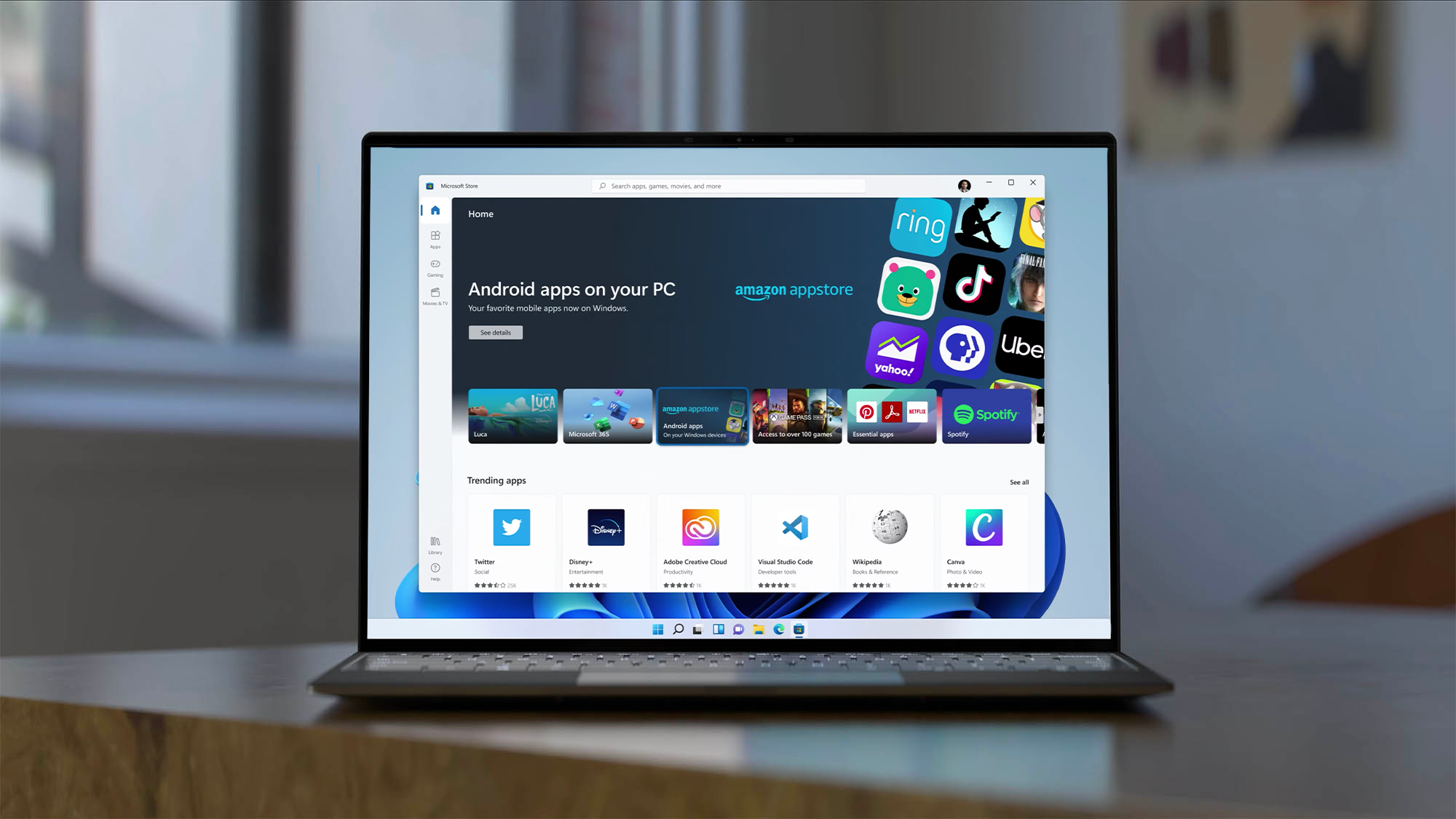
Microsoft has made the surprising announcement that it will be discontinuing the Windows Subsystem for Android (WSA), effective March 5, 2024, with the service being fully deactivated by March 5, 2025. The feature, which was first introduced in 2022 as part of Windows 11, allowed users to run Android apps directly on their Windows PCs through the Amazon Appstore. While the feature initially generated mixed reactions, it eventually developed a loyal following, especially among those who needed to run Android apps for personal or professional reasons. The announcement has been met with widespread disappointment and anger from users who feel that WSA provided a valuable feature that Microsoft is now abandoning.
One of the biggest points of contention is the lack of suitable Windows alternatives for many popular Android apps. While there are some apps available on the Windows Store, many users found that Android versions offered superior functionality, particularly for services like Apple Music, which is more feature-rich on Android compared to the Windows version. This discrepancy led some users to choose devices like the Surface Pro 9, which offered the ability to run Android apps through WSA. These users, many of whom rely on Android apps for work or entertainment, now feel like they are being left behind as Microsoft removes a key feature from its ecosystem.
In addition to regular consumers, developers also relied heavily on WSA for testing their Android apps. With WSA, developers could run Android apps in a Windows environment for user acceptance testing (UAT), which was crucial for ensuring the stability and functionality of their apps. This functionality made WSA a key part of many developers’ workflows, and its removal will have a noticeable impact on the way Android apps are tested in the Windows environment.
Despite the strong reaction from users, the likelihood of Microsoft reversing its decision seems slim. The company has pointed out that WSA is not generating direct revenue, and there is no clear financial incentive to continue supporting it. This is in line with Microsoft’s broader strategy to focus on services that drive revenue, such as its Azure cloud platform and its Office 365 subscriptions. As a result, Microsoft appears to be cutting its losses with WSA and redirecting its efforts toward features that align with its core business goals. The decision to deprecate WSA may signal a retreat from Android integration on Windows, and while some users are hopeful that Microsoft will reconsider, the future of Android app support on Windows 11 seems uncertain.
For those who have come to rely on WSA, the announcement marks the end of a feature that seemed to promise a more seamless integration between Windows and Android. With the feature’s removal in sight, users are left to look for alternative solutions or prepare for the reality that the Android app ecosystem on Windows may no longer be a viable option moving forward.